

Patrick Clancy became one of the most closely watched figures in the Lindsay Clancy case after delivering an emotional testimony that brought the human impact of the tragedy into the courtroom.
But shortly after that powerful moment, reports began circulating about a sudden medical emergency that allegedly removed him from public attention and sparked renewed speculation about what happened behind closed doors.
The timing immediately drew attention.
After months of being a central figure in discussions surrounding the case, Patrick Clancy’s sudden absence created questions among observers following the proceedings. People began wondering about his condition, what led to the reported medical situation, and whether there was more to the story than had been publicly revealed.
However, as with any developing claim involving a real person, the most important question remains: what information can actually be confirmed?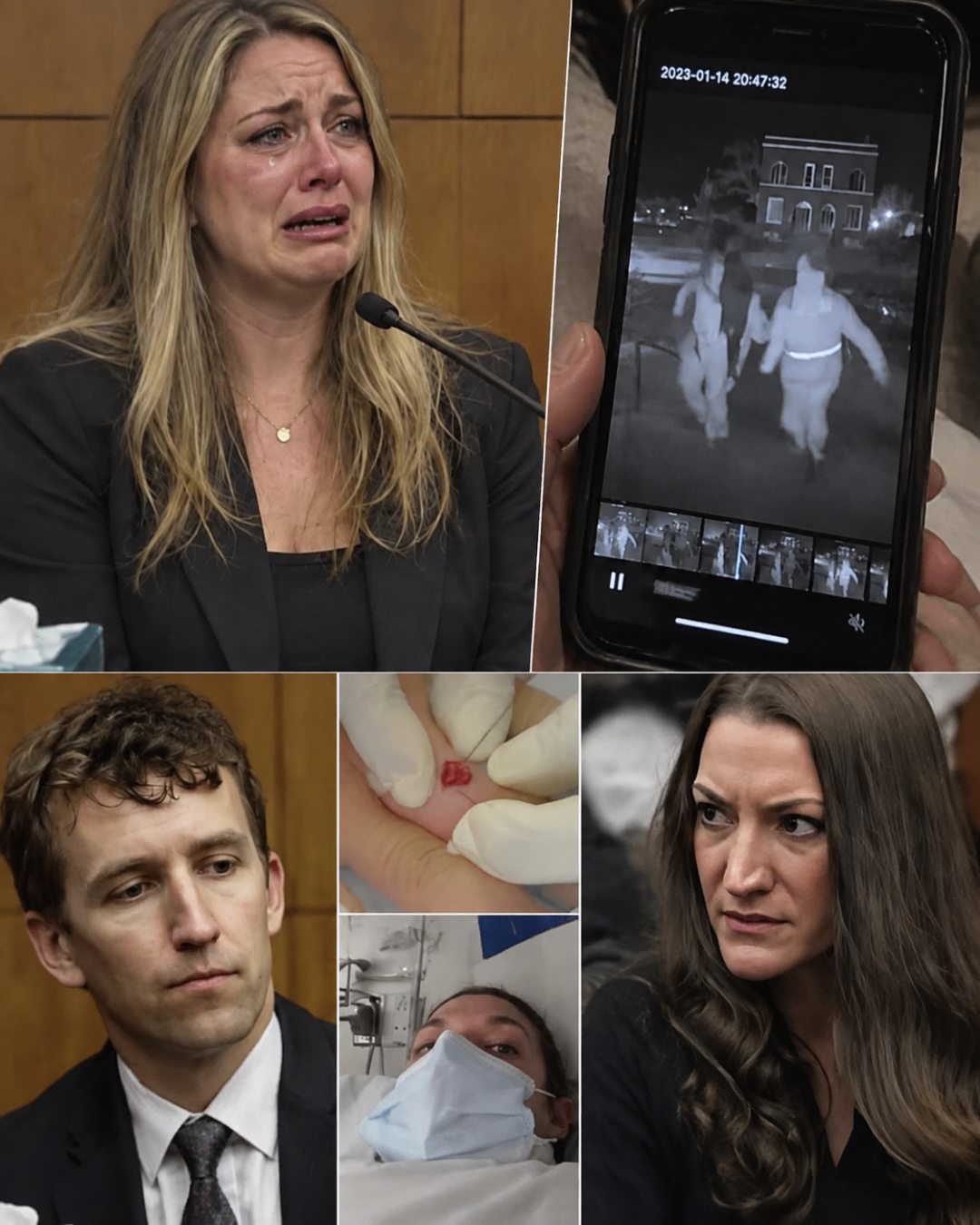
The situation has created a new wave of discussion around Patrick’s role in the case, his emotional testimony, and the personal toll of being connected to one of the most painful criminal proceedings in recent memory.
Patrick Clancy’s Emotional Role in the Courtroom
Patrick Clancy’s testimony became one of the most emotionally significant moments connected to the Lindsay Clancy case.
As the father of the three children who died, Patrick’s experience has been central to understanding the personal impact of the tragedy.
Court testimony in cases like this often extends beyond legal arguments. It provides a window into the lives affected by the events being examined.
For Patrick, appearing in court meant revisiting painful memories and confronting details that had already attracted enormous public attention.
His testimony reportedly included emotional reflections on his family, his children, and the events surrounding the tragedy.
Those moments placed him at the center of public discussion — not because of a legal role as a defendant or accused person, but because of his position as a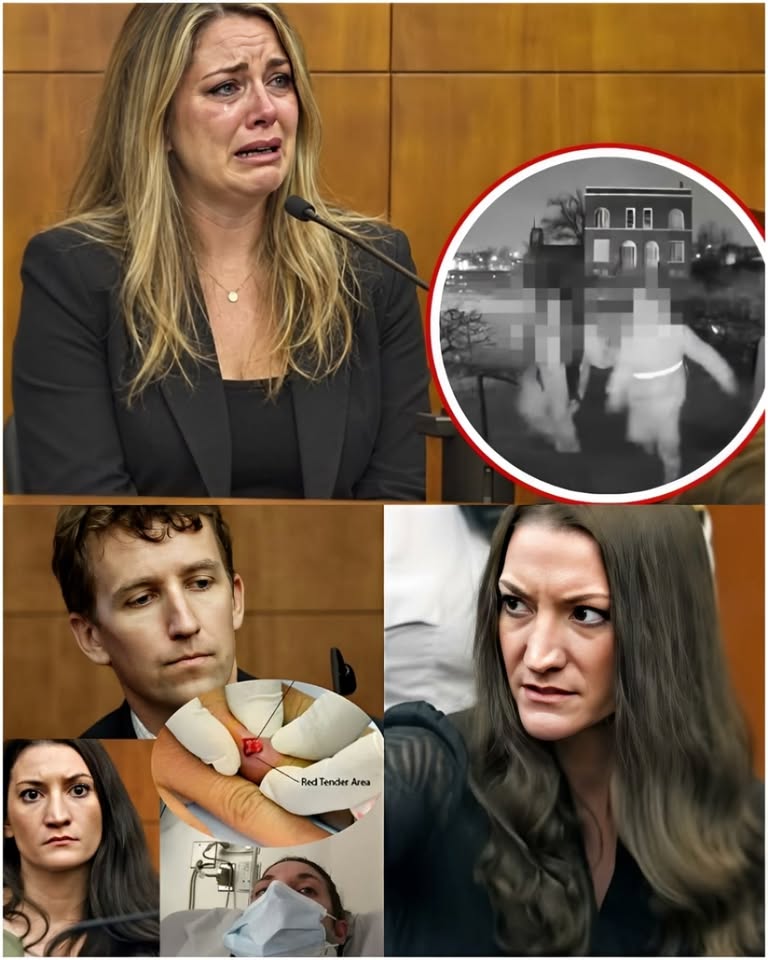 family member directly affected by the case.
Why His Sudden Absence Created Attention
When someone who has become highly visible during a major legal case suddenly disappears from public view, speculation often follows.
In Patrick Clancy’s situation, the reported medical emergency occurred after his courtroom appearance, creating a timeline that naturally attracted attention.
Observers began examining the sequence of events: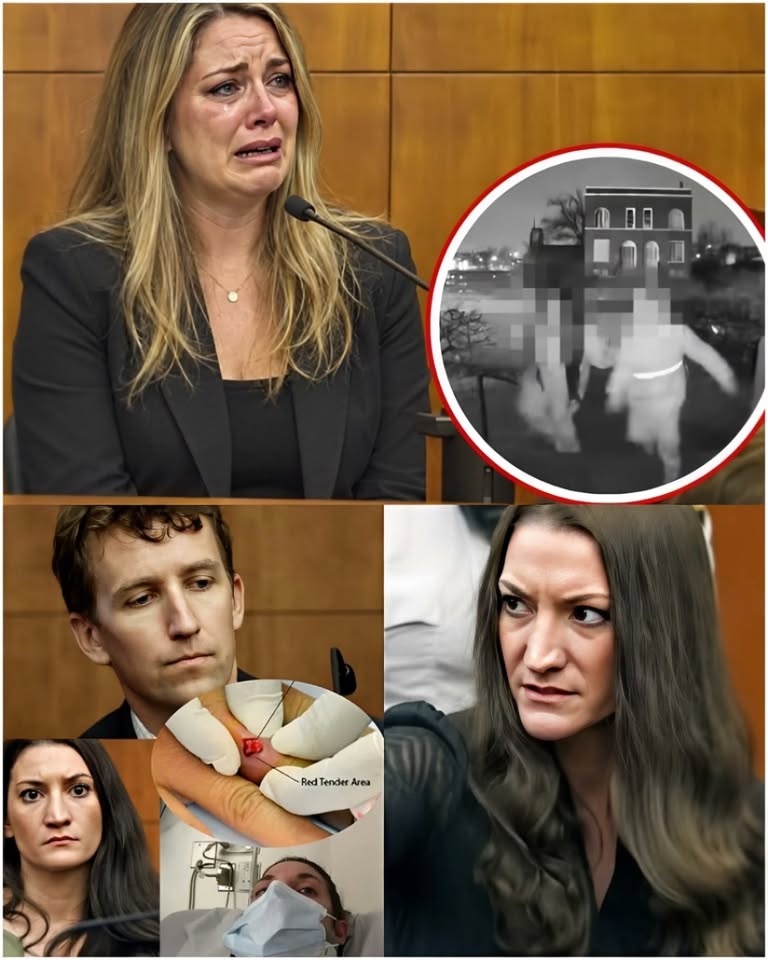
His emotional testimony.
The intense public focus surrounding the trial.
The reported health situation.
His withdrawal from the spotlight afterward.
The timing led many people to ask whether the stress surrounding the case played a role.
However, determining the cause of a medical event requires actual medical information, not assumptions based only on timing.
A person experiencing a health crisis after an emotionally difficult period does not automatically mean one caused the other.
The Difference Between Timing and Evidence
One of the biggest challenges in high-profile cases is separating coincidence from confirmed connection.
When two events happen close together, people naturally look for a relationship between them.
But investigators, journalists, and courts must examine evidence rather than rely on assumptions.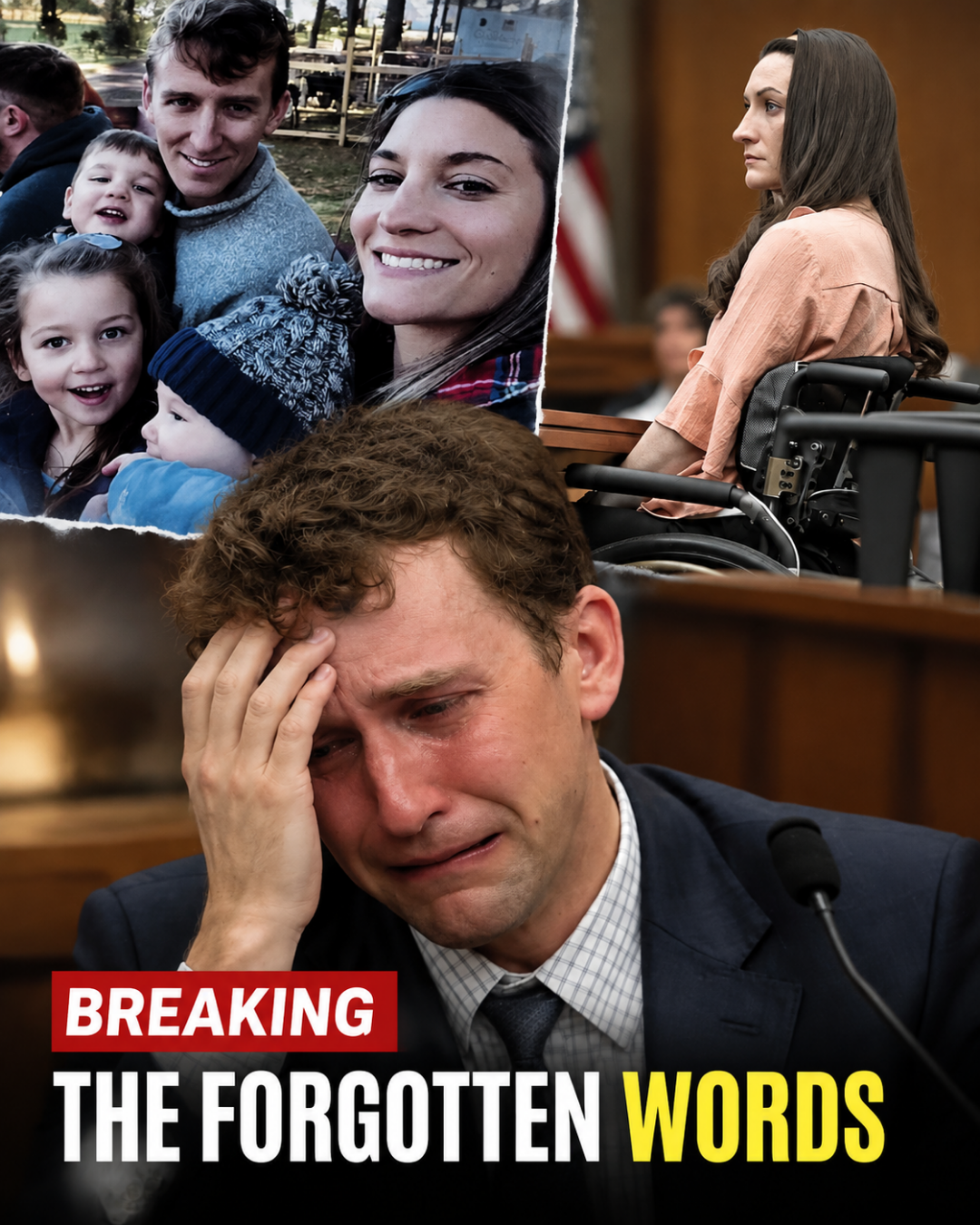
A medical emergency can have many possible explanations.
Without verified medical details, it is impossible to determine exactly what happened, what caused it, or whether it was connected to the emotional pressure surrounding the case.
This distinction is especially important when discussing individuals who are already under significant public attention.
Patrick Clancy’s situation highlights how quickly personal events can become part of a larger public conversation when they occur alongside a major legal case.
The Emotional Pressure Surrounding the Case
The Lindsay Clancy case has involved intense emotional and legal scrutiny since the deaths of her three children.
For Patrick Clancy, the experience has involved personal grief while also navigating a public courtroom process.
Family members connected to major criminal cases often face unique challenges.
They may have to participate in hearings, answer questions from attorneys, revisit traumatic memories, and deal with constant public interest.
That combination of personal loss and public attention can create enormous emotional pressure.
However, while stress can affect people in different ways, only medical professionals with access to relevant information can determine whether stress contributed to a specific health event.
How The Legal Process Continues Without Him
A person’s absence from public attention does not necessarily change the direction of a criminal case.
Court proceedings continue based on evidence, testimony, legal arguments, and judicial decisions.
In the Lindsay Clancy case, the central legal questions remain focused on issues such as responsibility, mental health, intent, and the evidence presented by both sides.
Patrick Clancy’s testimony may be an important part of the broader story, but the court’s decisions are based on the complete record.
That includes expert testimony, forensic evidence, medical information, witness accounts, and other documented facts.
A personal health event, even one involving a central figure, must be evaluated separately from the legal questions before the court.
Why People Are Asking What Happened Behind Closed Doors
The phrase “behind closed doors” often appears in discussions of high-profile cases because many important details are not immediately available to the public.
Courtrooms reveal some information, but not everything.
Medical privacy laws, legal strategy, and ongoing proceedings can limit what is publicly known.
This creates gaps that people naturally want to understand.
In Patrick Clancy’s case, the reported medical emergency has become another unanswered piece of a story already filled with difficult questions.
But the absence of public information does not automatically suggest something unusual occurred.
Sometimes, the simplest explanation is that private medical matters remain private.
Could The Medical Emergency Affect Future Proceedings?
Whether Patrick Clancy’s reported health situation affects future legal proceedings would depend on several factors.
If his testimony has already been completed, the impact may be limited.
If additional participation were required, attorneys and the court would consider his ability to be involved.
Legal systems routinely handle situations where witnesses, family members, or other participants experience health challenges.
Courts can evaluate scheduling, accommodations, and other procedural issues when necessary.
The key issue would not be speculation about what happened, but whether the situation affects any legal responsibilities connected to the case.
The Bigger Picture Behind Patrick Clancy’s Story
The attention surrounding Patrick Clancy’s reported medical emergency reflects the extraordinary public interest surrounding the case.
Every development involving major figures connected to the trial receives close examination because the tragedy itself raised difficult questions about mental health, accountability, and loss.
But the most important distinction remains between what is known and what is assumed.
Patrick Clancy’s disappearance from the spotlight after his testimony has generated questions, but the available information does not establish that anything beyond a reported medical crisis occurred.
The significance of the moment may ultimately be less about mystery and more about the reality of what people connected to devastating events experience after the cameras leave.
What We Know About The Moment That Changed The Conversation
The reported medical emergency involving Patrick Clancy has become another widely discussed chapter in the ongoing conversation surrounding the Lindsay Clancy case.
The timeline is clear: Patrick delivered emotional testimony, attention surrounding the case intensified, and reports later emerged that he experienced a medical situation that led him away from public view.
What remains uncertain are the details behind that event.
Until verified information becomes available, the strongest conclusion is that Patrick Clancy’s absence represents a private health matter occurring during an extraordinarily difficult period.
The larger question surrounding the case remains unchanged: how do families survive the aftermath of tragedy while the legal system searches for answers?
For Patrick Clancy, stepping away from the spotlight may not represent a hidden development — it may simply reflect a moment when personal recovery became more important than public attention.