For Patrick Clancy, the possibility of a second trial means returning to a chapter of his life that brought unimaginable pain.
After the first trial ended in a mistrial, the legal battle surrounding Lindsay Clancy is not over. The possibility of another courtroom proceeding means Patrick may once again face the difficult task of revisiting the events surrounding the deaths of his three children.
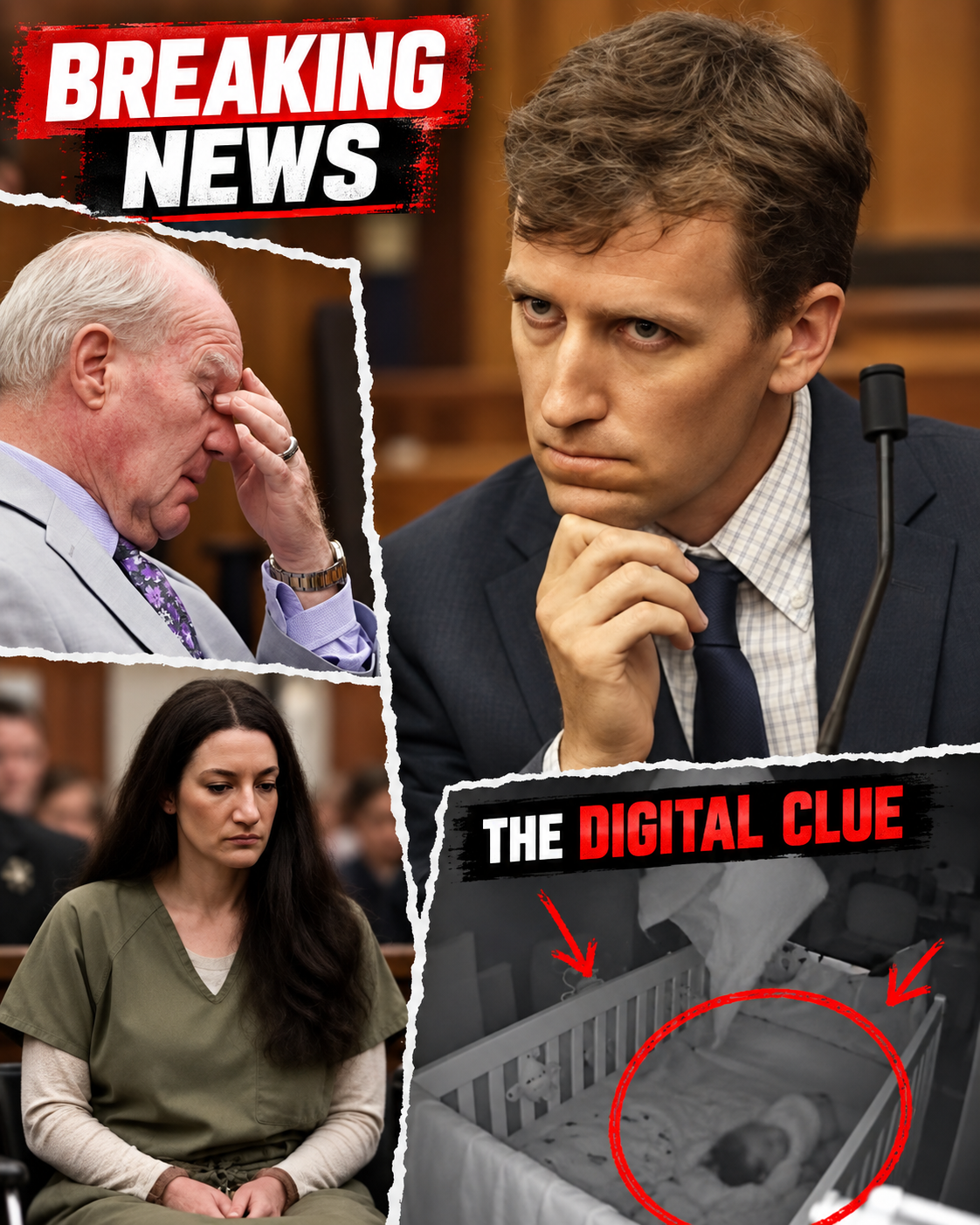
But as preparations continue, attention has turned toward a new area of evidence that could become a major focus: digital records from the home’s smart-lock system.
The technology has introduced another question into an already complicated case.
Not only what happened that night — but whether the timeline contains details that investigators, attorneys, or experts may need to examine more closely.
If the records are authenticated and shown to be relevant, the digital information could become one of the most closely analyzed pieces of evidence in the retrial.
A Retrial That Forces Patrick Clancy Back Into The Past
A mistrial does not erase the events that led to a courtroom battle.
For families involved in major criminal cases, the end of one trial does not necessarily bring closure. Instead, it can mean preparing to experience the same painful testimony, evidence, and emotional moments again.
Patrick Clancy became one of the central figures in the Lindsay Clancy case because of his connection to the tragedy and his role in explaining the impact of what happened.
The courtroom process required him to revisit personal memories, family moments, and the events that changed his life permanently.
A second trial would bring many of those same challenges back.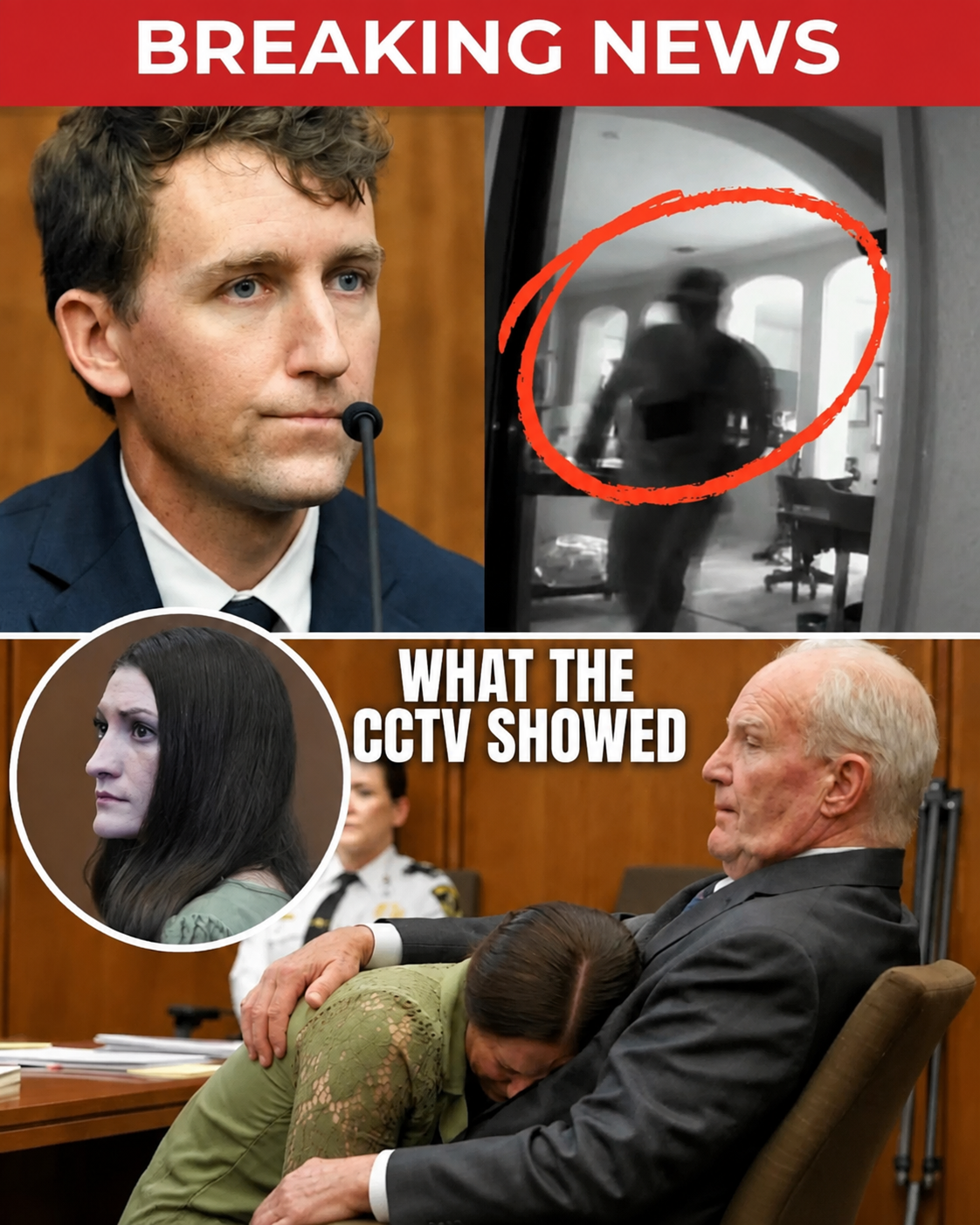
However, retrials can also introduce new strategies, new interpretations of evidence, and renewed examination of details that may have received less attention the first time.
That is where digital evidence enters the conversation.
Why Smart-Lock Records Could Matter
Modern homes often contain technology that creates detailed digital records.
Smart locks, security systems, cameras, and connected devices can record information about activity inside or around a property.
These records can sometimes help investigators reconstruct timelines.
A smart-lock system may provide information such as:
- When a door was locked or unlocked
- Which entry points were accessed
- The timing of activity
- Whether certain movements correspond with known events
In criminal investigations, these details can become important because timing is often one of the most critical factors.
A few minutes can change how investigators interpret a sequence of events.
However, digital records are not automatically a complete explanation.
They must be verified, interpreted correctly, and considered alongside other evidence.
The Central Question: What Does The Timeline Actually Show?
The focus on smart-lock data comes down to one major issue: reconstructing what happened during the critical hours of the night.
Investigators often build timelines using multiple sources.
They may examine:
Phone records
Surveillance footage
Witness accounts
Medical evidence
Digital activity
Physical evidence
Each source provides a different piece of information.
The purpose is not simply to collect data but to determine whether the pieces create a consistent picture.
A smart-lock record could potentially confirm certain movements or challenge assumptions about timing.
But the meaning of the data depends on context.
A door opening does not automatically explain who was responsible or why it happened.
It only provides one point in the larger timeline.
How Prosecutors Could View The Digital Evidence
For prosecutors, digital records can become valuable because they provide an objective record of activity.
Unlike human memory, which can change over time, electronic systems may preserve timestamps that help establish when events occurred.
Prosecutors could examine whether smart-lock activity supports their understanding of the timeline.
They may ask:
Did the recorded activity match witness statements?
Did it correspond with known movements?
Did it reveal anything unexpected?
Could it challenge claims made by either side?
However, prosecutors would also need to explain the limitations of the technology.
Digital records can show activity, but they do not always reveal the person behind that activity or the reason it occurred.
The interpretation still requires additional evidence.
How The Defense Could Challenge The Interpretation
The defense would likely examine the smart-lock data carefully as well.
While digital evidence can appear highly reliable, attorneys often question how technology is interpreted.
Important questions may include:
Was the system functioning properly?
Was the timestamp accurate?
Were there technical errors?
Who had access to the system?
Could there be another explanation for the recorded activity?
The defense may argue that digital evidence must be viewed within the full circumstances of the case rather than treated as a simple answer.
A record showing that something happened does not always explain why it happened.
Why Digital Evidence Has Become More Important In Modern Trials
Technology has changed the way criminal investigations are conducted.
Years ago, investigators relied primarily on physical evidence, witness statements, and traditional forensic methods.
Today, digital information often plays a major role.
Smartphones, home security systems, online activity, and connected devices can create detailed records of everyday life.
But the increasing use of technology also creates new challenges.
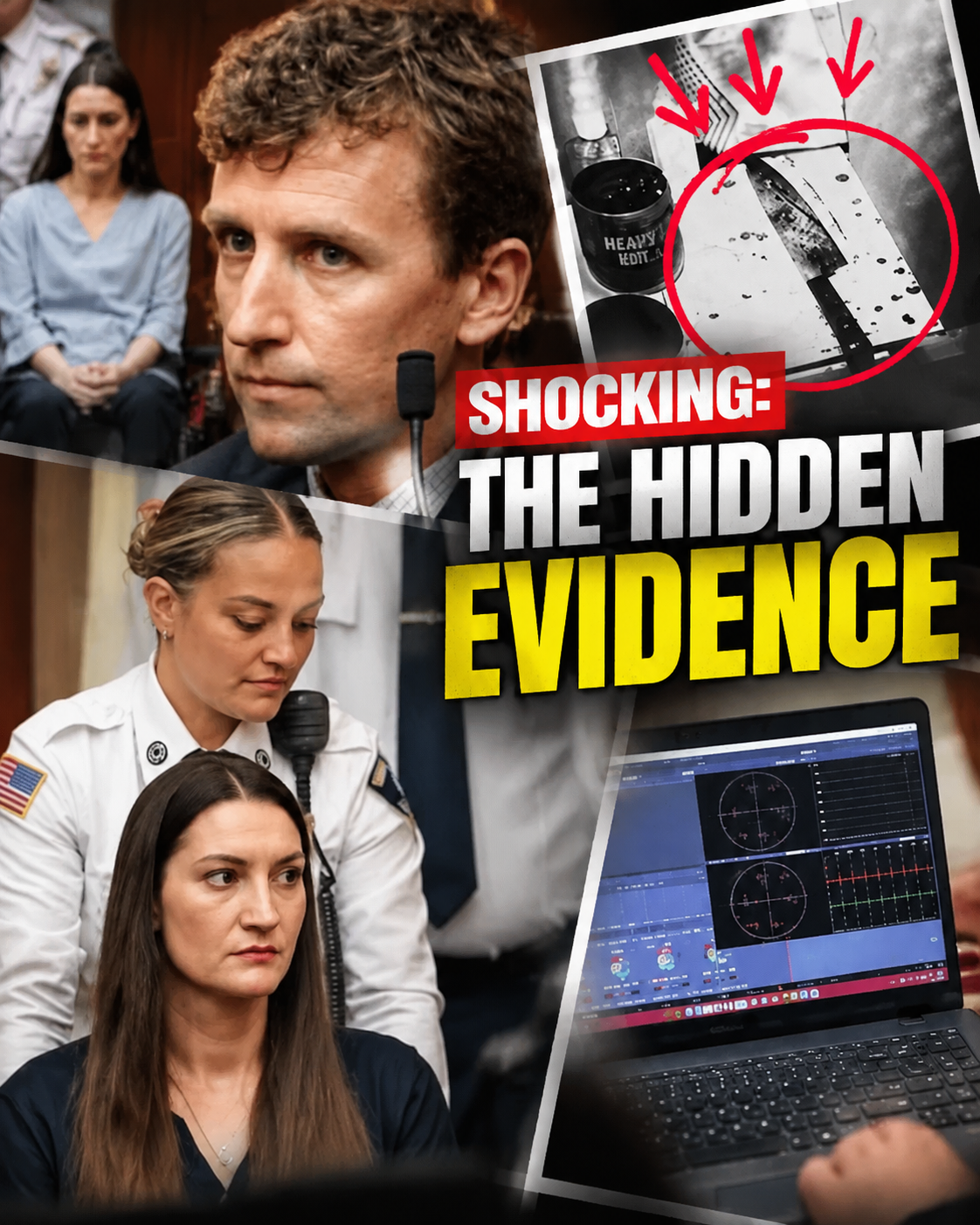
Digital evidence can be powerful, but it requires careful analysis.
A timestamp, notification, or device record may appear straightforward while still requiring expert interpretation.
Courts must determine not only whether digital evidence exists but whether it actually proves something relevant to the legal questions before them.
The Retrial Could Reexamine More Than Just Technology
Although smart-lock records have attracted attention, the retrial would likely involve much more than one piece of digital evidence.
The court would continue examining the major issues that shaped the original case.
Those issues include:
Mental health evidence
Expert testimony
Timeline reconstruction
Witness accounts
Questions of intent and responsibility
The smart-lock information could become important, but it would likely be considered alongside all other evidence presented.
Criminal cases are rarely decided by a single detail.
Instead, they are built from many pieces that must be evaluated together.
Why The New Evidence Raises Bigger Questions
The importance of the smart-lock records comes from the possibility that they could change how people understand the timeline.
In any criminal case, new evidence attracts attention because it creates the possibility of a different interpretation.
A previously overlooked detail can sometimes challenge assumptions.
But it can also confirm what investigators already believed.
The key issue is not whether the evidence is new.
The key issue is what the evidence actually proves.
If the records reveal something inconsistent with the established timeline, attorneys may argue that the case needs to be viewed differently.
If they simply confirm existing information, their impact may be more limited.
Patrick Clancy’s Return To The Courtroom
For Patrick Clancy, the possibility of a second trial represents another emotional challenge.
Beyond legal arguments and evidence discussions are personal memories that cannot be separated from the case.
Every new hearing, every piece of evidence, and every courtroom discussion brings him back to the events that changed his family forever.
The introduction of new digital evidence adds another layer to that process.
It means examining not only what people remember, but also what technology recorded.
What The Smart-Lock Evidence Could Mean Moving Forward
The smart-lock records have become one of the latest details drawing attention as the Lindsay Clancy case moves toward another possible courtroom battle.
They raise important questions about timing, movement, and whether any part of the night remains misunderstood.
But the ultimate significance of the evidence will depend on verification, expert analysis, and how it fits with the complete record.
Digital evidence can reveal moments.
It can establish timelines.
It can challenge assumptions.
But it cannot answer every question by itself.
As the second trial approaches, the focus will remain on one central issue:
What does the complete evidence reveal about what happened that night?
And could a small digital detail become the piece that changes how the entire timeline is understood?