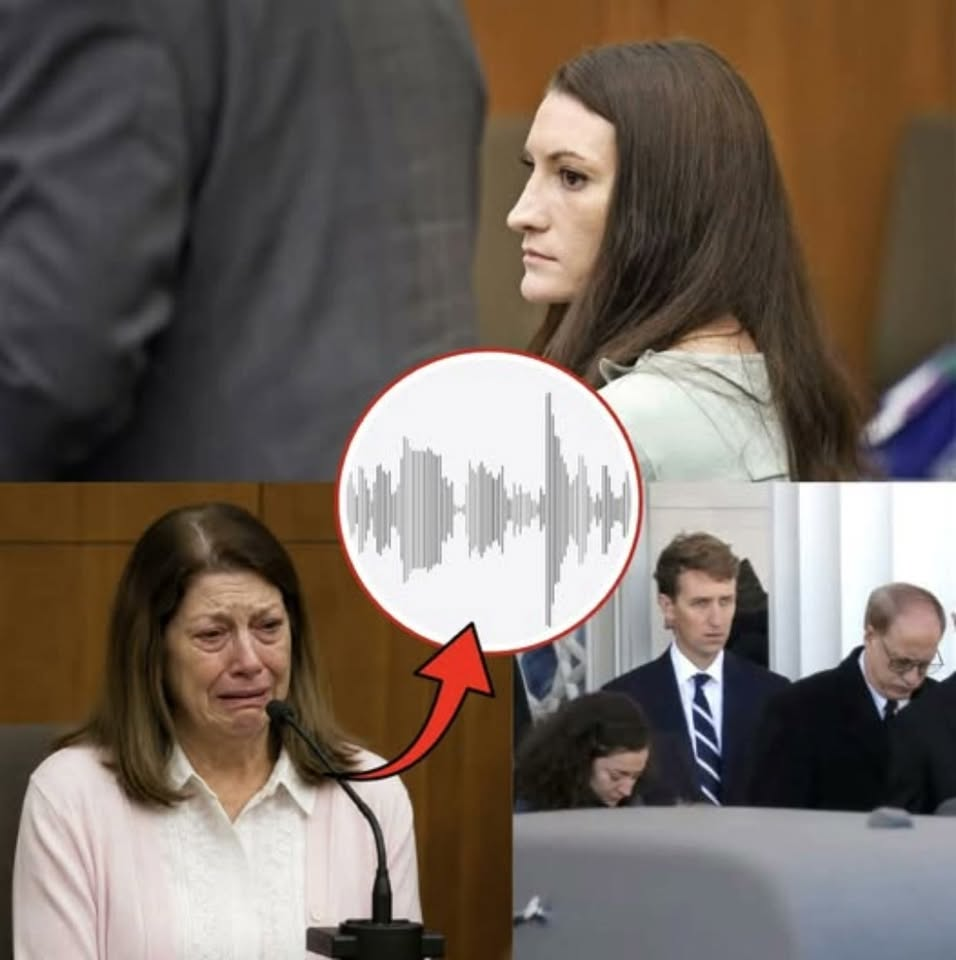
A new claim circulating around the Lindsay Clancy case is pushing one of the tragedy’s most painful questions back into the spotlight: how much did the people closest to Lindsay understand about her deteriorating mental state before her three children were killed?
The viral version of the story is especially explosive. It claims Lindsay’s mother warned Patrick Clancy the night before the killings, and that a voice recording from the final hours later captured Lindsay desperately asking for help.
If true, that combination would appear devastating: a family warning, a direct plea, and then catastrophe.
But the verified public record is more complicated.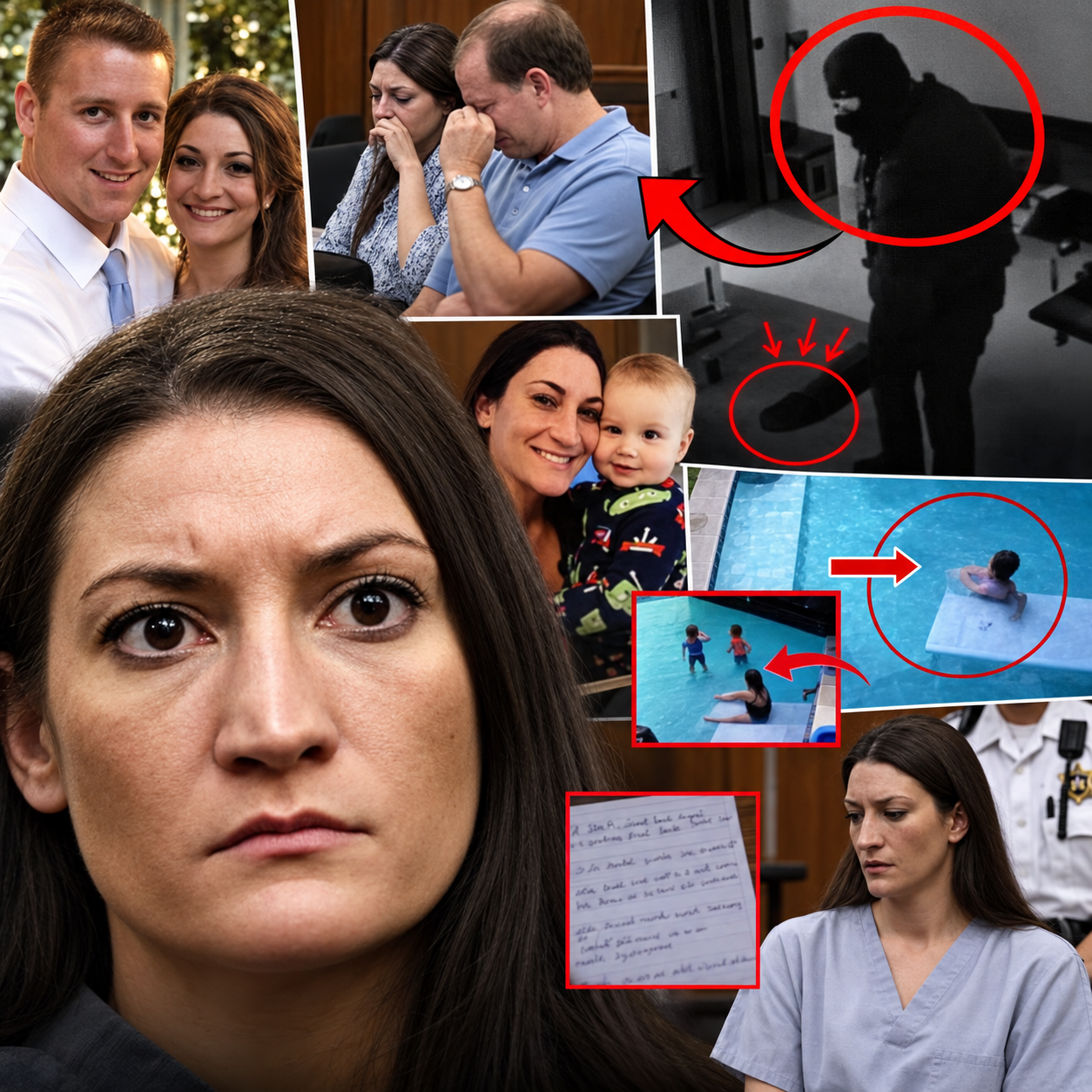
Lindsay’s mother and sister did testify about serious psychiatric warning signs in the weeks and months before January 24, 2023, including suicidal thoughts, fear of being alone, medication concerns, and worsening mental distress. However, there is no authenticated public record currently establishing that Lindsay’s mother gave Patrick a specific warning “the night before,” or that a newly surfaced recording from those final hours captured Lindsay making the dramatic plea described in the viral claim.
That does not make the underlying question weaker.
It makes it harder:
Were there enough warning signs already visible that someone should have understood Lindsay was approaching a crisis — even if no single person realized how catastrophic that crisis could become?
WHAT LINDSAY’S FAMILY ACTUALLY DESCRIBED BEFORE THE KILLINGS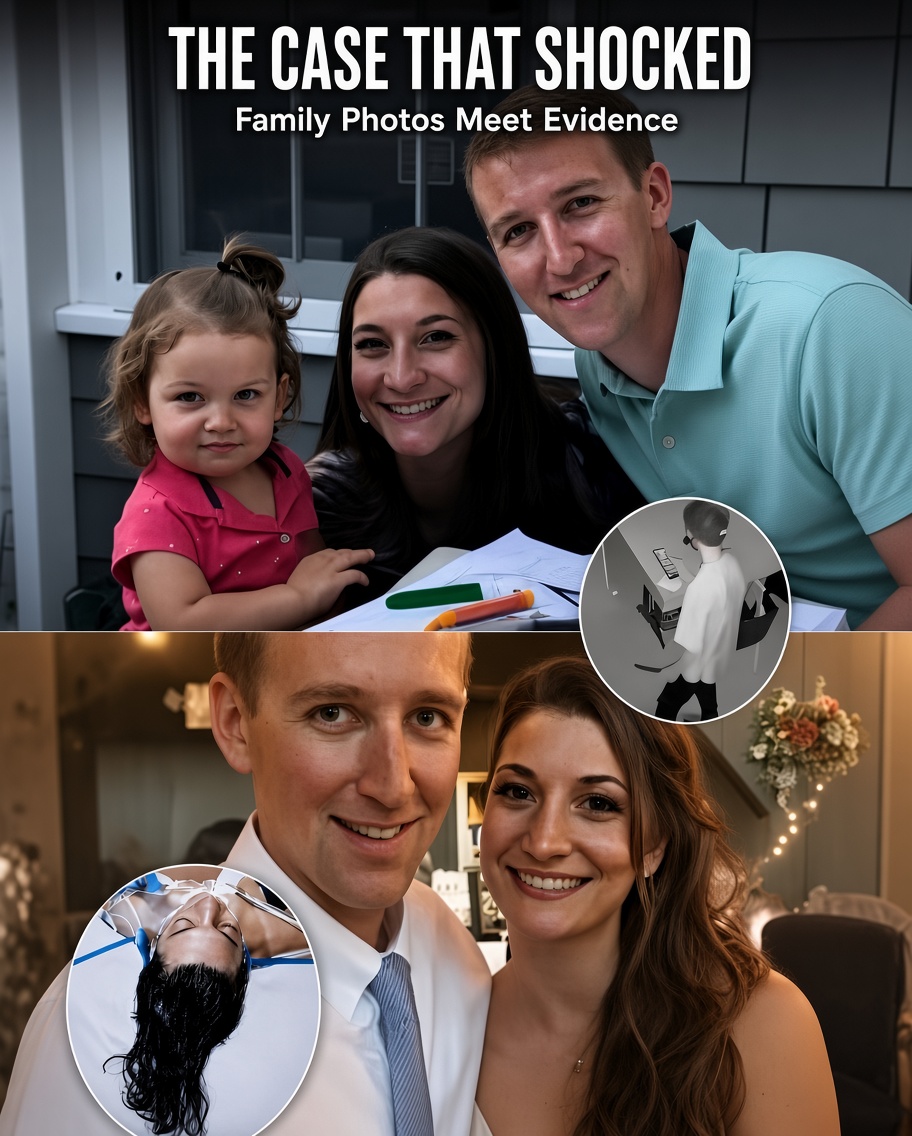
The testimony from Lindsay’s family painted a picture of deterioration rather than sudden collapse.
Her mother, Paula Musgrove, and her sister described a woman struggling increasingly with her mental health during late 2022 and early 2023.
Lindsay was anxious.
She was having trouble sleeping.
She was frightened to be alone.
She expressed suicidal thoughts.
She worried about medications and what they were doing to her mind.
Her family knew she was suffering.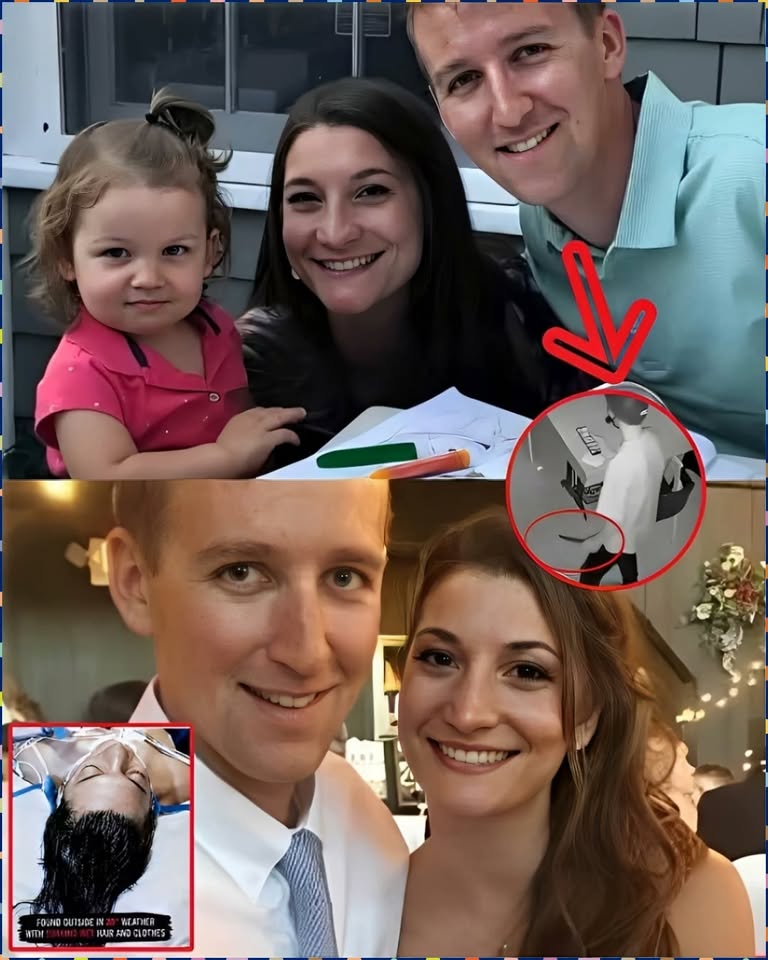
What they apparently did not believe was that the children faced an imminent risk of being killed.
That distinction is crucial.
Lindsay’s sister, a social worker, testified that she knew Lindsay’s mental condition was worsening but did not believe the children were in immediate danger.
That is one of the most haunting facts in the case.
The warning signs were serious enough to generate concern.
But they did not clearly announce the specific tragedy that followed.
THE MOST IMPORTANT WARNING MAY HAVE COME WEEKS EARLIER
The case already contained a deeply disturbing disclosure.
Family testimony indicated that Lindsay had expressed thoughts involving harm to herself and had also disclosed intrusive thoughts concerning the children during her psychiatric decline.
Those statements later became central to the defense’s argument that the killings did not emerge from nowhere.
The defense wanted jurors to see a progression:
severe anxiety,
sleep disruption,
medication changes,
suicidal thinking,
intrusive thoughts,
hospital treatment,
and eventually what Lindsay later described as a command hallucination.
In that framework, the tragedy was the final stage of a psychiatric collapse that had been developing for months.
Prosecutors saw the same evidence differently.
They argued that serious mental illness did not automatically mean Lindsay was psychotic or legally incapable of understanding that killing her children was wrong.
That conflict defined the trial.
DID PATRICK KNOW HOW BAD THINGS HAD BECOME?
Patrick Clancy knew his wife was struggling.
That was never seriously disputed.
He helped her seek treatment.
He was aware of medication problems.
He knew she had experienced severe anxiety.
And he testified extensively about changes in her mental condition.
But the prosecution emphasized something else: Patrick still believed Lindsay could safely be alone with the children.
That belief became critical on January 24.
He left the house to run errands while Lindsay remained with Cora, 5, Dawson, 3, and Callan, 8 months.
The children were killed during that period.
In hindsight, Patrick’s decision to leave can look unimaginable.
But hindsight is exactly the problem.
The relevant question is what he reasonably understood before the killings, not what became obvious afterward.
There is no verified public evidence that Patrick was told the night before, in explicit terms, that Lindsay intended to kill the children.
If such a warning existed, it would dramatically change the interpretation of that decision.
The public record has not established one.
THE VIRAL “VOICE RECORDING” CLAIM WOULD BE EXTREMELY IMPORTANT IF AUTHENTICATED
A recording from the final hours could potentially become powerful evidence because it would preserve Lindsay’s state of mind in real time.
If she sounded frightened, confused, desperate, or psychotic, defense attorneys could use that to support the argument that her mental condition was rapidly deteriorating.
If she directly asked for psychiatric help, mentioned harming herself, or said she feared she might hurt the children, that could be even more important.
But a recording must first exist.
Then investigators would need to establish:
who recorded it,
when it was recorded,
whether it was edited,
who Lindsay was speaking to,
and whether the full context changes the meaning of the words.
No verified public reporting currently establishes the newly described recording as an overlooked piece of evidence from those final hours.
That distinction matters because this case already contains one extremely important recording: Patrick’s 911 call after he returned home and discovered the aftermath.
Jurors later described that call as emotionally devastating, and one juror said hearing it permanently changed her.
A newly alleged recording involving Lindsay would be a very different category of evidence.
WHAT WOULD “HELP ME” ACTUALLY MEAN?
Even if Lindsay did make a plea for help, context would determine its significance.
“Help me” could refer to anxiety.
Medication side effects.
Insomnia.
Suicidal thoughts.
Fear.
A panic episode.
Or an immediate psychiatric emergency.
The exact language matters.
So does timing.
A request for help two months earlier is meaningful but different from a statement made 30 minutes before the killings.
A statement like “I don’t feel safe alone” would carry different implications from “I am going to hurt the children.”
That is why viral summaries can distort psychiatric evidence.
They often compress a long period of deterioration into one dramatic sentence.
The real story was much more complex.
THE DEFENSE ARGUED THAT LINDSAY HAD BEEN ASKING FOR HELP FOR MONTHS
This is where the viral narrative overlaps with a very real theme in the case.
Lindsay had repeatedly sought psychiatric care.
She saw multiple providers.
She underwent medication changes.
She was hospitalized.
She researched postpartum psychosis and suicidal ideation before the killings.
Her civil lawyers have since accused medical providers of failing to recognize the severity of her condition, arguing that she was repeatedly treated and prescribed psychiatric medications without the larger crisis being adequately addressed. Those allegations remain part of civil litigation, not established findings of malpractice.
So while the specific “final-hours recording” remains unverified, the broader claim that Lindsay had been signaling distress is strongly supported.
The unresolved question is whether anyone had enough information to recognize the danger.
WHY THE NIGHT BEFORE MATTERS SO MUCH
Timing changes everything in a case like this.
If Lindsay’s mother had warned Patrick months earlier that Lindsay was struggling, that shows concern.
If she warned him the night before that Lindsay was suicidal, that becomes more urgent.
If she warned him Lindsay might harm the children, that would be dramatically different.
The viral claim collapses those distinctions.
That is why a precise source matters.
Was there a phone call?
A text message?
A voicemail?
A medical note?
Did Patrick acknowledge receiving such a warning?
Was it presented to the jury?
Without that evidence, “her mother warned him the night before” should not be treated as an established fact.
THE MALE VOICE MAKES THE FINAL HOURS EVEN MORE COMPLICATED
Lindsay later said she heard a male voice commanding her to kill the children and herself.
That account became central to the defense.
Defense experts viewed it as evidence of psychosis.
Prosecution experts questioned its timing and characteristics.
If a recording from shortly before the killings captured Lindsay speaking about a voice, feeling watched, being afraid, or losing control of her thoughts, it could become enormously important because it would provide contemporaneous evidence rather than a later recollection.
That is exactly the kind of evidence the defense would want.
It could answer one of the prosecution’s strongest challenges:
Why was the alleged command hallucination not documented earlier?
But again, that connection only matters if the recording is real and authenticated.
COULD ANYONE HAVE PREVENTED WHAT HAPPENED?
This is the emotional question underneath the entire story.
It is also the most dangerous one to answer with certainty.
Warning signs do not always predict specific violence.
A patient can be suicidal without becoming homicidal.
Intrusive thoughts do not automatically mean intent.
Severe anxiety does not automatically mean psychosis.
Even clinicians can struggle to distinguish between frightening thoughts and immediate risk.
That does not mean warning signs should be ignored.
It means the tragedy cannot be reconstructed as though every earlier symptom obviously pointed toward what happened.
Before January 24, people were dealing with uncertainty.
After January 24, every warning looks unmistakable.
That is the brutal advantage of hindsight.
THE MISTRIAL MADE THESE QUESTIONS EVEN MORE IMPORTANT
The first jury never resolved Lindsay’s criminal responsibility.
After approximately 38 hours of deliberations across seven days, the case ended in a mistrial.
Eleven jurors reportedly favored finding Lindsay not criminally responsible.
One juror did not.
Her attorney Kevin Reddington is now asking the judge to enter a finding in Lindsay’s favor rather than allow another trial, with prosecutors still able to seek a retrial if that effort fails.
That unresolved ending means every piece of psychiatric evidence remains important.
A genuinely new recording could matter.
A contemporaneous warning could matter.
A previously unknown message could matter.
But only if it can be authenticated.
SO WHAT WAS SAID IN THOSE FINAL HOURS?
Based on the verified public record currently available, there is no authenticated “final-hours” recording containing a newly revealed plea from Lindsay that can be quoted as established evidence.
What is established is more troubling in a different way.
Lindsay had already been showing serious signs of psychiatric decline.
Her family knew she was struggling.
She had expressed suicidal thoughts.
She feared being alone.
She had undergone repeated mental-health treatment.
She had experienced significant medication changes.
And she had been searching for information about postpartum psychosis and suicidal ideation shortly before the killings.
The tragedy, therefore, may not depend on one secret recording or one dramatic warning from the night before.
The larger question is whether many separate people each saw one part of Lindsay Clancy’s collapse without anyone seeing enough of the whole picture to understand how close the family was to catastrophe.
That is what makes the final hours so difficult to revisit.
The warning may not have been one sentence.
It may have been months of symptoms, calls, appointments, medications, fear, and requests for help — all visible individually, but never assembled into the danger everyone recognized only after it was too late.