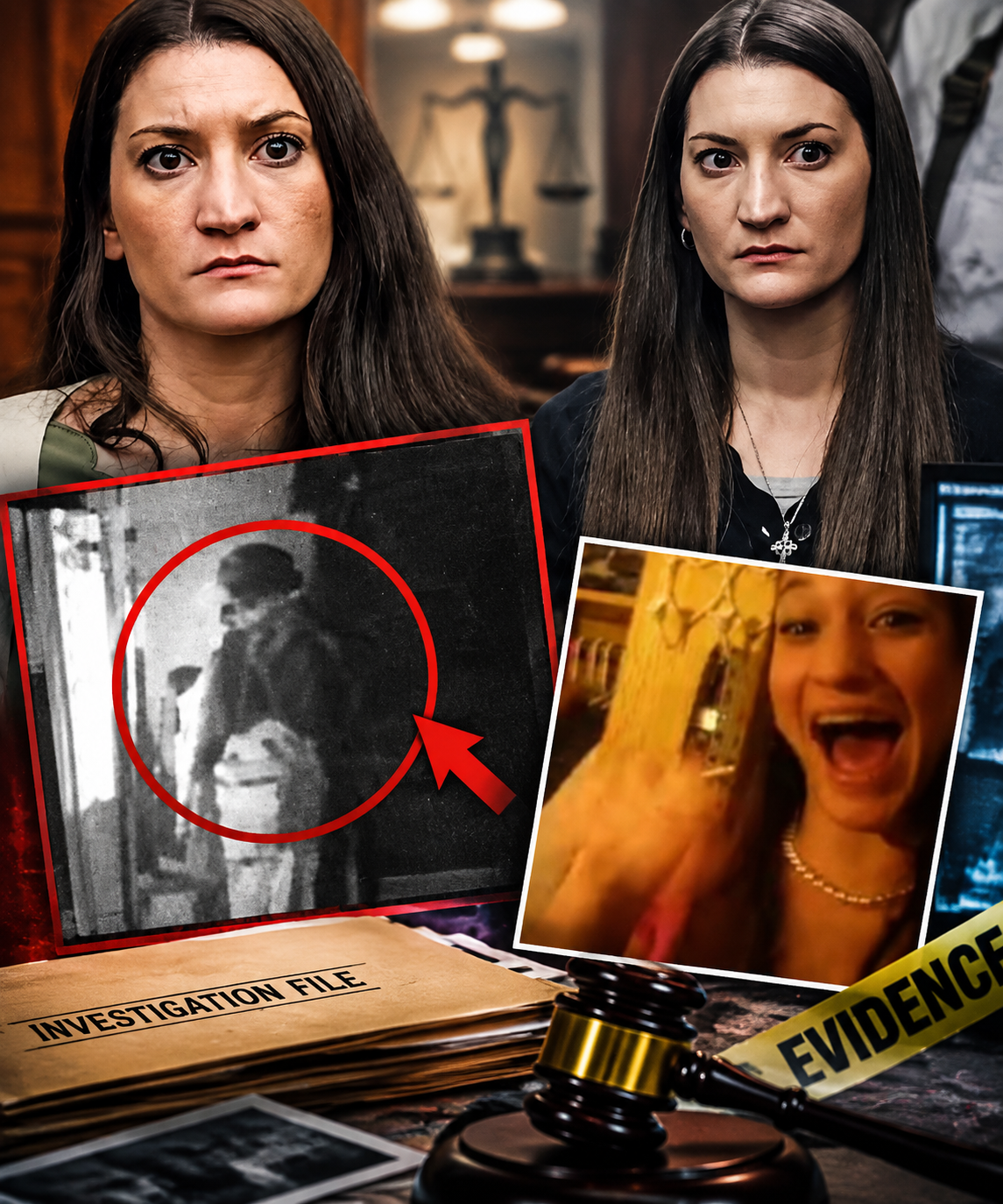
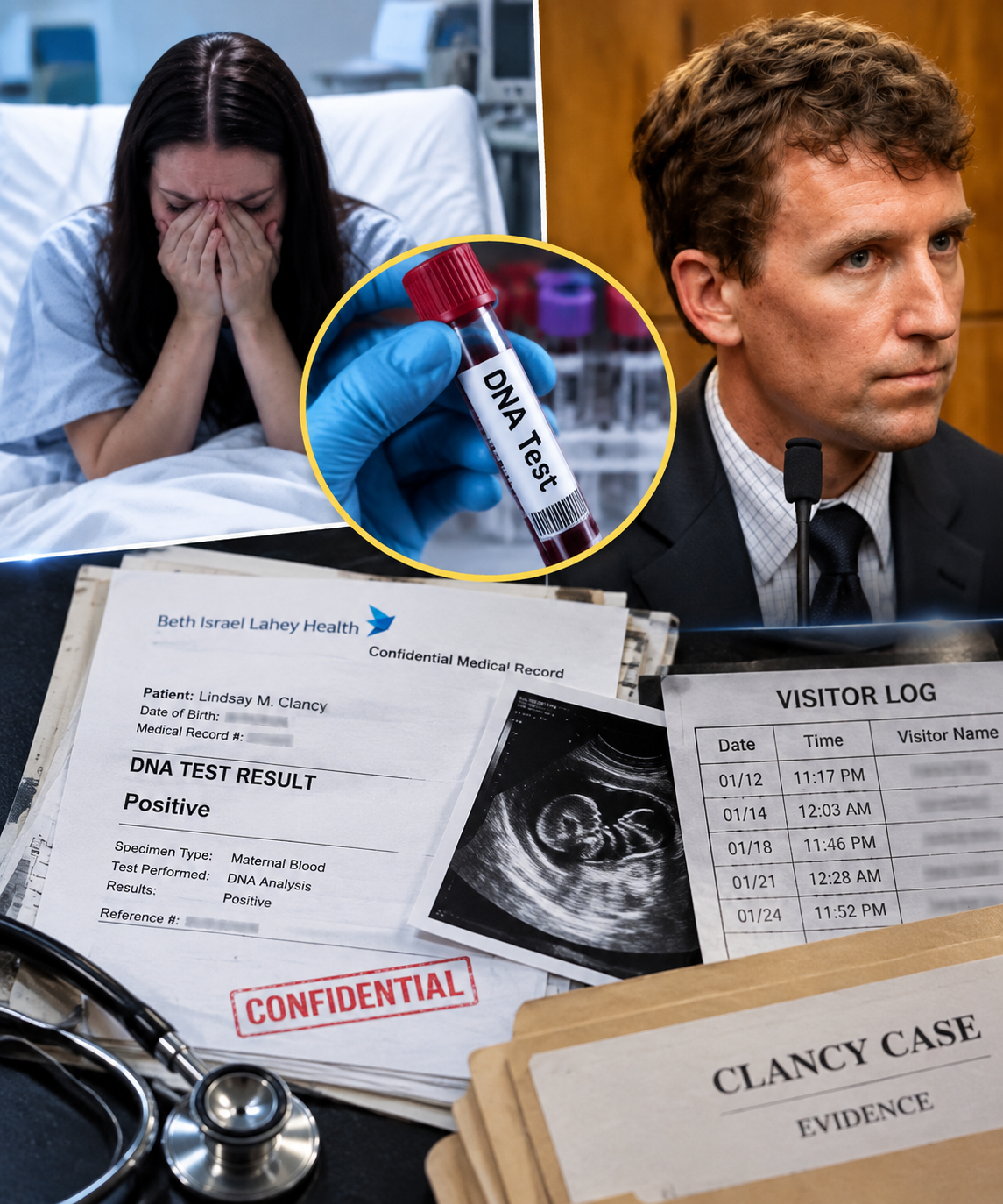
A reported audio discovery connected to the Clancy case has drawn renewed attention after claims emerged that a short recording from a smart home device may contain a detail that was previously overlooked.
According to the discussion surrounding the alleged file, the recording captured a faint background frequency only minutes before a critical moment inside the home, leading analysts to examine whether the sound contained additional information about what was happening during that period.
The focus quickly shifted toward an 18-second section of audio that reportedly became more noticeable after specialists slowed the recording and examined it using different analysis methods.
The most discussed part of the recording was not only the sound itself, but also the timing of when it appeared.
The timestamp created new questions about the sequence of events and whether the existing timeline fully explained every moment leading up to the tragedy.
After the sound was reportedly reversed and reviewed again, attention turned toward a repeating pattern that some believed required further examination.
The central question became:
What exactly was hidden inside those 18 seconds, and could the audio provide additional context about the events inside the home that night?
The Audio File That Brought New Attention To The Timeline
Digital evidence has become one of the most important elements in modern investigations because electronic devices can capture information that may not be available through traditional sources.
Smart home devices, security systems, phones, and computers can preserve sounds, movements, timestamps, and activity records that help investigators reconstruct events.
The reported hallway recording became a point of discussion because of the possibility that it captured a moment that was not immediately recognized during earlier reviews.
At first, a short background recording may appear insignificant.
A few seconds of unclear sound can easily be dismissed as ordinary household noise.
However, when investigators attempt to understand a complex timeline, even brief pieces of information can become important if they connect with other evidence.
The challenge is determining whether the recording contains meaningful information or whether the sound has another explanation.
Why Reversing Audio Creates New Questions
Audio reversal is a technique sometimes used during analysis when investigators want to examine whether a hidden pattern exists within a recording.
When audio is played backward, certain sounds may appear different because the order of frequencies and noises changes.
However, reversing a recording does not automatically reveal a hidden message or confirm that a sound has a specific meaning.
Experts must examine whether the result is supported by the original recording and whether the interpretation can be independently verified.
In the reported Clancy case audio, attention focused on the possibility that reversing the 18-second clip revealed a repeating pattern that was not obvious during normal playback.
The important question is whether that pattern represents actual information or simply a result of the audio processing technique.
The 18-Second Clip Under Examination
The reported recording became significant because of its short duration and the timing surrounding the captured sound.
Investigators examining audio evidence often focus on several factors, including:
The original quality of the recording.
The source of the sound.
The exact timestamp.
The surrounding environment.
Whether similar sounds appear elsewhere.
A short clip can sometimes provide valuable information because it captures a specific moment.
However, the shorter the recording, the more important the surrounding context becomes.
Without understanding what happened immediately before and after the recording, it can be difficult to determine the meaning of any individual sound.
The Mystery Behind The Background Frequency
The reported background frequency became one of the main points of discussion because analysts believed it appeared unusual enough to require closer review.
Audio experts often examine frequencies because different sources create different sound patterns.
They may analyze whether a sound comes from:
A human voice.
Electronic equipment.
Movement.
Objects inside the environment.
Background interference.
The process involves comparing the characteristics of the sound rather than relying only on what listeners believe they hear.
This is especially important because unclear audio can sometimes lead people to recognize patterns that may not actually exist.
How Digital Audio Experts Review Recordings
Professional audio analysis involves several steps designed to determine what information can reliably be extracted from a recording.
Experts may examine:
The original file format.
Metadata information.
Frequency levels.
Noise patterns.
Possible voice characteristics.
Changes in volume.
The relationship between different sounds.
Enhancement tools can help make certain parts of a recording easier to analyze, but they do not create missing information.
If a recording is unclear, processing may improve certain details while still leaving uncertainty about what caused the sound.
This is why experts usually compare audio findings with other evidence before reaching conclusions.
The Importance Of The Timestamp
The timestamp connected to the recording became one of the most discussed details because timing plays a major role in reconstructing events.
Investigators often attempt to answer:
When did the recording begin?
What happened immediately before it?
What happened immediately afterward?
Does the timing match other evidence?
A sound may have different significance depending on when it occurred.
A recording captured during an ordinary moment may have little importance.
The same sound captured during a critical period may require closer examination.
This is why timeline accuracy remains one of the most important parts of any investigation involving digital evidence.
How The Recording Could Affect Timeline Analysis
If verified, the audio clip could potentially provide another point of reference when examining the sequence of events inside the home.
Investigators may compare the recording with other available information, including digital activity, witness accounts, and physical evidence.
The goal would be to determine whether the audio supports the existing timeline or whether it introduces additional questions.
However, a recording alone rarely explains an entire event.
It usually becomes one part of a larger collection of evidence.
The significance depends on how well it connects with other verified information.
How Prosecutors Could Examine The Audio Evidence
From a prosecution perspective, digital recordings can be reviewed to determine whether they provide information relevant to the timeline or circumstances surrounding a case.
Prosecutors may examine whether the audio:
Matches other known evidence.
Provides additional context.
Clarifies a specific moment.
Supports or challenges existing interpretations.
However, prosecutors would need to establish that the recording is reliable and that the interpretation of the sound is supported by evidence.
An unusual sound may create questions, but it does not automatically provide a complete explanation.
How The Defense Could Challenge The Interpretation
The defense could examine the recording by questioning whether the sound has been interpreted accurately and whether the analysis process creates uncertainty.
Attorneys may focus on issues such as:
Whether the original recording is complete.
Whether enhancement changed the way the sound appears.
Whether the reversed audio creates misleading impressions.
Whether alternative explanations exist.
Audio evidence can be powerful, but unclear recordings often require careful interpretation.
A sound that appears meaningful to one person may remain uncertain to another.
Why Small Digital Details Receive Major Attention
The attention surrounding the 18-second recording reflects a common pattern in high-profile cases where people revisit existing evidence searching for information that may have been missed.
A short audio clip.
A small timestamp difference.
A background sound.
A digital file.
These details often attract attention because they represent the possibility that important information exists within overlooked evidence.
However, the discovery of a new detail does not always change the understanding of a case.
Sometimes it provides important context.
Sometimes it raises additional questions.
And sometimes it simply demonstrates how difficult it can be to interpret incomplete information.
The Difference Between A Pattern And A Proven Finding
The reported repeating pattern inside the reversed audio has become a major point of discussion because of the possibility that it may contain additional information.
However, there is an important distinction between identifying a pattern and proving what that pattern means.
Experts must determine whether the sound can be reliably identified and whether it connects with other evidence.
A pattern may encourage further investigation, but additional analysis is required before its importance can be understood.
This distinction is especially important when dealing with unclear digital recordings.
Could The 18 Seconds Change The Understanding Of The Case?
The reason the hallway recording has attracted attention is because of the possibility that a brief digital detail could provide another perspective on the timeline.
If experts confirm that the audio contains meaningful information and that it connects with other evidence, the recording could become another important piece of the investigation.
If the sound cannot be clearly identified or explained, it may remain another unanswered detail surrounding the case.
The impact of the recording depends on verification, context, and expert analysis.
The Bigger Question Behind The Reversed Audio
The reported 18-second recording represents a larger question that appears in many complex investigations:
Can a small overlooked digital detail reveal something important about a much larger event?
A smart device recording.
A hidden frequency.
A reversed audio clip.
A timestamp connected to a critical moment.
These details attract attention because they create the possibility of discovering information that was previously unavailable.
But understanding what happened requires examining the complete timeline and considering every piece of evidence together.
For now, the reported audio discovery remains another point of discussion because it has raised new questions about the sounds captured inside the home, the timing of those moments, and whether the existing timeline fully explains what happened before everything changed.