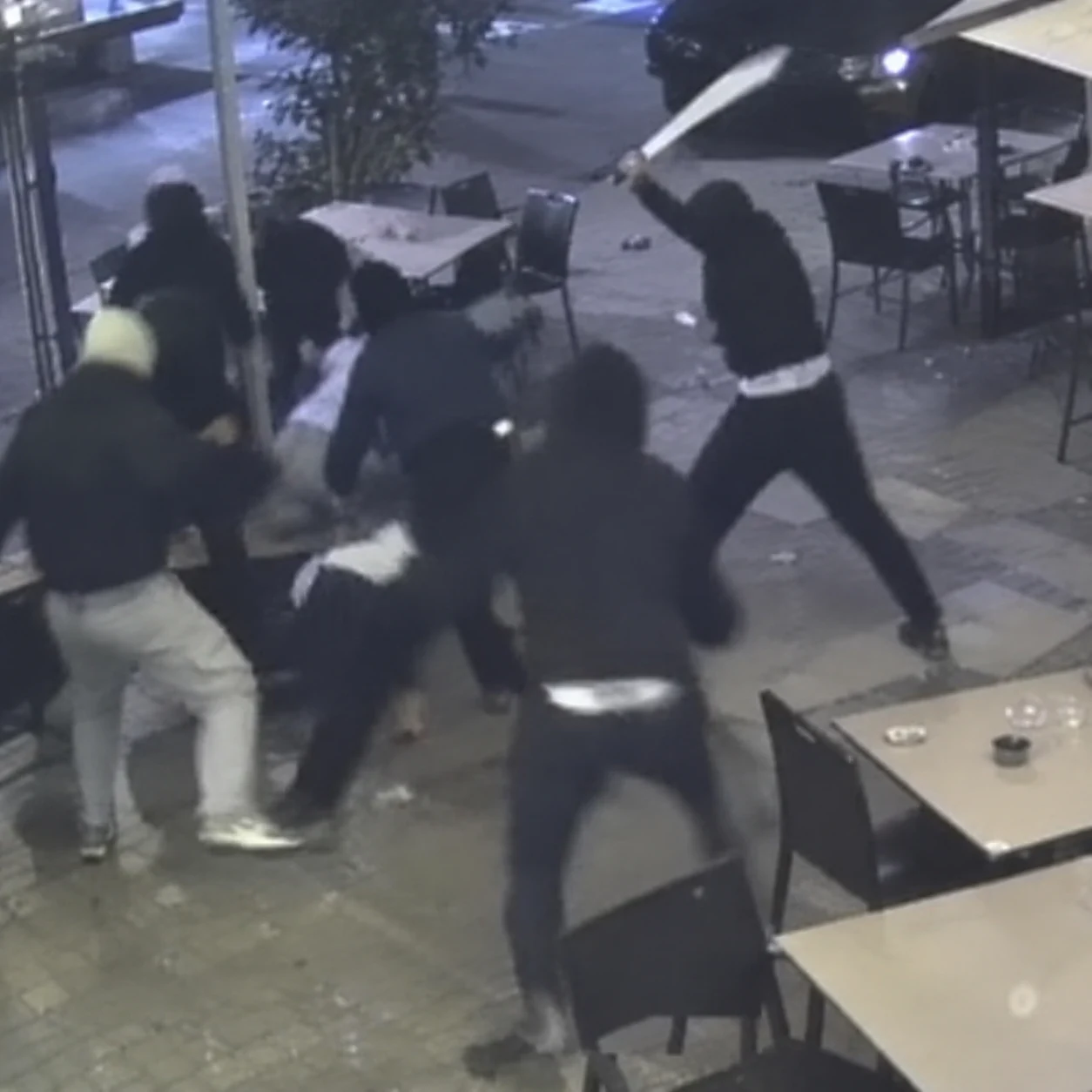
A teenager involved in the violent machete attack that sent diners fleeing from Oakleigh’s Eaton Mall has been sentenced to six months in youth detention, with the court hearing that he had been subjected to sustained racist bullying before becoming involved in retaliatory violence.
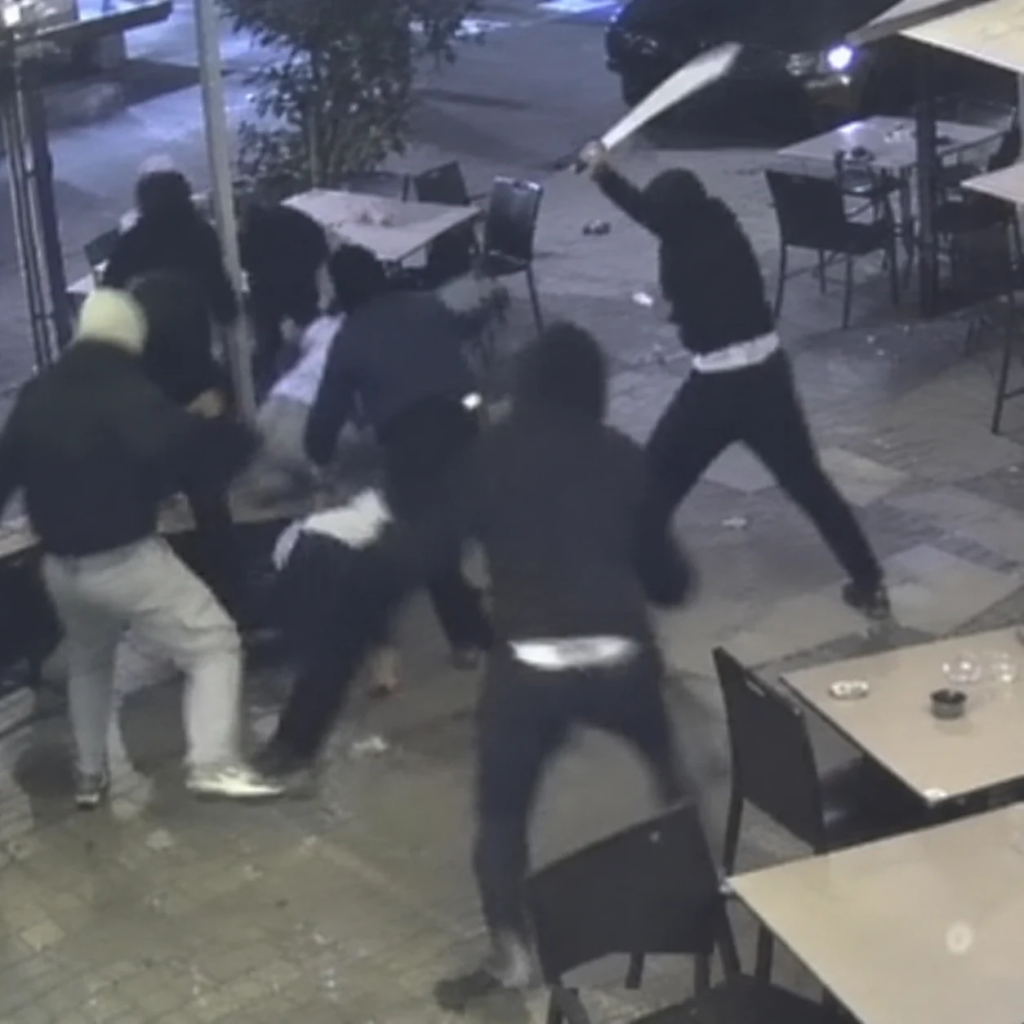
The young man was 17 at the time of the April attack outside Vanilla Dessert Bar and Lounge in Melbourne’s south-east. He pleaded guilty to offences arising from two separate group assaults, including the Eaton Mall incident on 17 April in which an 18-year-old man was struck with a machete and suffered serious injuries.
The sentencing court heard the teenager had been stabbed in an earlier, unrelated machete attack and later became involved in violence directed at people he and others believed were associated with the South Side Gangsters. His lawyers told the court the offending developed against a background of repeated racial abuse at school, a lack of effective intervention and an escalating cycle of threats and reprisals.
Those circumstances did not excuse the attack, but they formed part of the material placed before the court when sentence was imposed. The teenager was ordered to serve six months in youth detention and will also be subject to a 12-month youth supervision order. He had already spent about 145 days in custody by the time of sentencing.
The Eaton Mall attack became one of Melbourne’s most confronting examples of youth knife violence this year because it unfolded in a busy dining precinct in front of families, restaurant staff and passers-by. CCTV footage showed a large masked group moving towards people seated outside businesses before a fight broke out. Police said at least two people in the attacking group were carrying machetes.
An 18-year-old Malvern East man was taken to hospital after being stabbed and slashed. A 16-year-old boy was also assaulted but did not suffer physical injuries. Early police accounts described the older teenager’s injuries as non-life-threatening, while later court reporting said the attack caused a skull fracture and other significant harm.
Witnesses described scenes of panic as diners ran from outdoor tables and sought cover. The mall, known for its restaurants and strong Greek-Australian community, was cordoned off while police established a crime scene and collected CCTV and other evidence.
Victoria Police treated the attack as targeted rather than random and said the people involved were known to one another. That distinction was important to investigators, who also increased patrols in the area to reassure businesses and residents after images of the attack circulated widely.
The investigation expanded over the following weeks. By June, police said 11 teenagers had been arrested and charged in connection with the Oakleigh affray. Six teenagers and an 18-year-old faced the most serious allegations, including intentionally causing serious injury in circumstances of gross violence, while others were charged with offences including affray and violent disorder.
The sentencing of this teenager is therefore one part of a much larger case involving multiple accused people, different alleged roles and separate court processes. Charges against other young people remain subject to the usual presumption of innocence unless and until they are proven.
For the teenager who has now been sentenced, the court was required to consider both the gravity of the violence and his personal circumstances. Youth sentencing in Victoria places substantial weight on rehabilitation because young offenders are generally considered to have a greater capacity to change than adults. At the same time, courts can impose detention where offending is serious enough to require punishment, community protection and denunciation.
In this case, the use of a machete in a crowded public place was central to the seriousness of the offending. The attack was not a spontaneous argument between two people. It involved a group confrontation in a popular public precinct, weapons and conduct that created obvious danger not only to the intended victim but also to people nearby.
The court also heard evidence about what had happened to the teenager before the Oakleigh violence. He had previously been the victim of a machete attack and had experienced racist bullying at school. His defence argued that repeated abuse and continuing hostility had affected him deeply and contributed to the decisions that led to the offending.
That background raises a broader issue that often appears in youth violence cases: personal victimisation can coexist with serious offending. A young person can be a victim in one context and an offender in another. Courts are required to consider both realities without treating earlier mistreatment as a licence for revenge.
Schools and youth services also face difficult questions when bullying, racial abuse and threats move beyond the classroom and become connected with street groups, social media conflict or weapon carrying. The evidence in this case, as reported from court, included claims that the teenager felt repeated bullying was not being effectively addressed. Those claims were advanced as part of his personal history and sentencing case rather than as a legal finding that any school or authority caused the offending.
The Eaton Mall attack also occurred during a period of intense concern about machetes and other edged weapons in Victoria. Following a series of high-profile incidents, police have conducted weapons seizures and public-place searches under expanded powers, while the state has tightened restrictions on machetes. Victoria Police Assistant Commissioner Michael Hermans said after the Oakleigh attack that thousands of edged weapons had been seized and that police would continue targeted operations.
Those enforcement measures address access to weapons, but the Oakleigh case also demonstrates why police, courts, schools and community organisations focus on the conflicts that sit behind weapon carrying. Once disputes become group-based and retaliatory, a single confrontation can quickly escalate because participants may arrive expecting others to be armed.
For businesses at Eaton Mall, the immediate concern after the April attack was restoring confidence in a precinct normally associated with dining, shopping and community life. Local representatives urged people not to allow the violence to define the area, while traders reopened after the crime scene was cleared.
The case also attracted debate about whether youth offenders receive sufficiently strong penalties. That discussion intensified as more arrests were made. Sentencing, however, remains an individual judicial exercise. The penalty imposed on one young person does not determine the outcome for others, particularly where allegations, criminal histories, ages and levels of participation differ.
The teenager sentenced this week had turned 18 while in custody. Because the offences were committed when he was a child, his matter remained within the youth justice framework. The court’s decision combined a period of detention with supervision after release, meaning the sentence does not end when he leaves custody.
A youth supervision order can include structured oversight and conditions intended to support rehabilitation and reduce the risk of further offending. The practical focus is on whether the young person can return to education or training, comply with supervision, avoid further conflict and separate from influences associated with previous offending.
Reporting from the sentencing hearing also indicated that the teenager’s immigration status may face scrutiny because he was in Australia on a visa. Any future immigration decision would be separate from the sentence imposed by the Victorian court and would depend on federal law and the circumstances considered by immigration authorities.
The most immediate legal consequence, however, is the six-month detention term and the supervision order that follows it. With much of the custodial period already served, he is expected to spend a comparatively short further period in detention before entering the supervised phase of the sentence.
For the victim and witnesses, the consequences of the April violence extend well beyond the length of the offender’s sentence. The victim suffered serious physical injuries, and the footage captured the fear experienced by people who found themselves close to a weapon attack in a crowded public space.
Other accused teenagers linked to the Eaton Mall incident will continue through separate court proceedings. Their cases may produce different findings and outcomes, and allegations against them remain unproven unless admitted or established in court.
The sentencing of the 17-year-old provides the clearest judicial account so far of how one participant came to be involved: previous victimisation, racist bullying, a desire for retaliation and a decision to join serious group violence. The court has now responded with detention and continuing supervision, while the wider Oakleigh case remains active across the youth and adult justice systems.
The Oakleigh incident also illustrates the long tail of a major youth crime investigation. The first police response centred on identifying masked attackers from footage and witness accounts. As detectives worked through CCTV, phone material and information from the public, arrests were made in stages rather than all at once. That meant community concern continued for weeks while investigators separated the alleged actions of individual participants and prepared charges suitable for different courts.
For readers following the case, the key point is that this sentence resolves only the criminal responsibility of the teenager who pleaded guilty. It is not a finding about every person seen in the footage, every allegation made during the investigation or every claim raised about the wider conflict. The remaining proceedings will determine those matters separately, while police and community leaders continue to deal with the broader problem of young people carrying weapons into public places.