More than nine in every ten dollars approved so far under a $568 million federal community grants program have gone to projects in Labor-held electorates, according to an analysis by Guardian Australia, adding to scrutiny of how the closed, non-competitive scheme was designed and how projects were selected.
The analysis covers funding formally approved during the first five months of the Major and Local Community Infrastructure Program. It found 92 per cent of approved funding had flowed to Labor-held seats, while the broader program is now set to face a Senate inquiry. The figures do not establish wrongdoing or prove that grants were awarded because of political advantage, but they have intensified questions about transparency, value for money and the role of electoral commitments in deciding where public funds are spent.
The program was created to deliver local infrastructure commitments announced by Labor and operates as a one-off, closed grants process rather than an open competitive round. Councils were invited to make formal applications late last year, and the federal infrastructure department has approved about $248 million worth of projects since March.
Guardian Australia’s analysis of those approvals found Victoria and New South Wales were the largest recipients so far, with the two states receiving a combined $189.7 million. In Victoria alone, councils had received about $99 million in approved funding, with roughly $92 million of those projects located in state Labor-held electorates.
That pattern has attracted particular attention because Victoria is heading toward a state election in November. Several of the funded projects are in electorates regarded as politically competitive. However, location alone does not demonstrate that electoral considerations determined an approval, and the federal government says the scheme follows published guidelines and normal processes for delivering election commitments.
The single largest grant approved under the program was $25 million for a new aquatic centre at Bacchus Marsh, in the federal seat of Hawke and the Victorian state seat of Eureka. Both are held by Labor. Eureka is among the seats facing a challenge from One Nation at the coming state poll.
Other Victorian electorates have also received substantial approvals. Bendigo West, another seat expected to face a strong contest, has projects worth close to $7 million approved under the same program. Separately, a further $106 million was promised to Victoria before the 2025 federal election but had not yet been formally approved at the time of the analysis.
New South Wales has also received a large share. Lake Macquarie council had the highest number of individual approvals identified in the analysis, with 13 sports-field and lighting upgrades worth a combined $8.8 million. The council area includes state Labor electorates as well as an independent-held seat.
By contrast, the amount formally approved so far in several other states is much lower than the amounts they were promised. Western Australia had received less than $25 million in approvals, Tasmania less than $15 million and Queensland less than $8 million, even though each had been promised close to $50 million under the program.
The difference between what has been announced and what has actually been approved is important. The figures examined by Guardian Australia relate to money already cleared through the program’s approval process, not the full set of future commitments. That means the 92 per cent figure describes the distribution of approved funding at this point in time rather than the final distribution of the entire $568 million scheme.
The latest analysis follows a report by the Centre for Public Integrity that examined how the overall pool of money had been allocated. That earlier work raised concerns that projects were concentrated in notionally Labor-held electorates, including a $6 million grant for a golf club in Prime Minister Anthony Albanese’s electorate.
Independent MP Helen Haines has argued that local infrastructure spending should be based on demonstrated community need and merit rather than electoral advantage. Her criticism is part of a wider debate in Canberra about whether closed grant programs give governments too much discretion over where public money goes.
The government rejects suggestions that the structure itself is improper. Infrastructure Minister Catherine King has said the program was established to deliver election commitments through a one-off, closed and non-competitive process, which she described as consistent with longstanding practice.
King has also pointed to program guidelines requiring applications to meet specified benchmarks before funding can be approved. According to the government, proposals that fail those tests are not considered value for money and cannot receive a grant.
The government has further argued there were no conflicts of interest in the formal decision-making process because final approvals were made by the infrastructure minister rather than by local MPs or the organisations seeking funding. Guardian Australia reported, however, that King did not directly answer questions about exactly how projects were originally selected for inclusion or whether their location in Labor-held seats was taken into account.
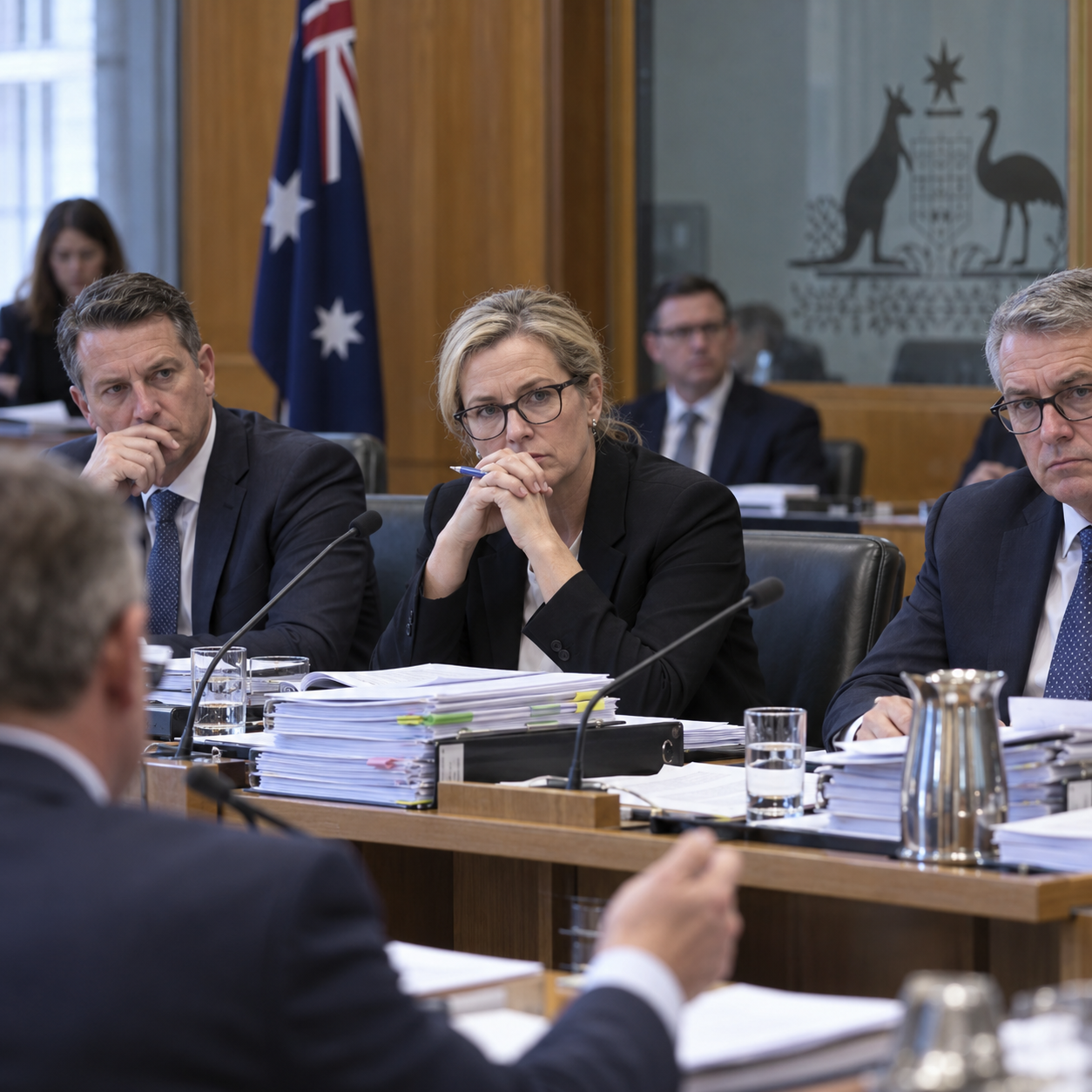
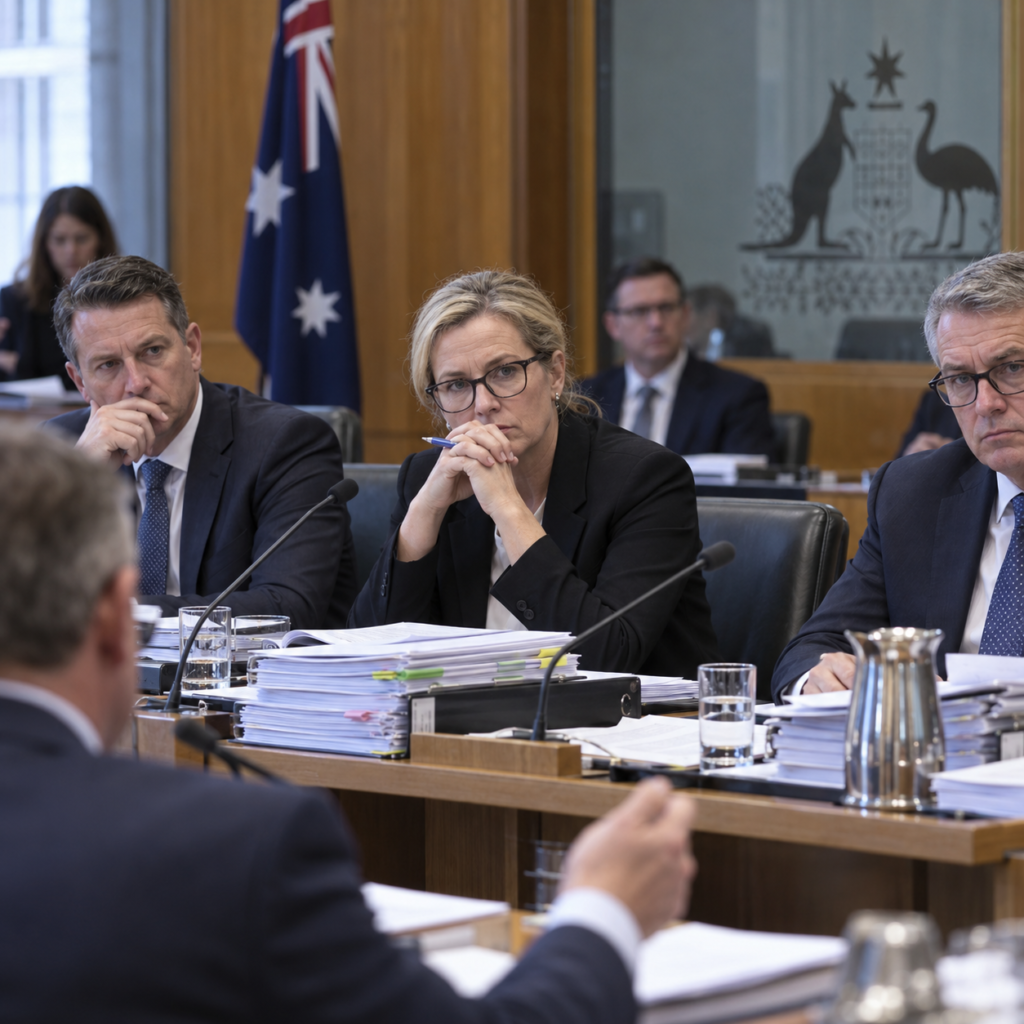
Those unanswered questions are among the issues the Senate inquiry is expected to examine. The inquiry was proposed by the Greens and supported by the Coalition and crossbenchers. Labor opposed establishing it. It is expected to look at how projects were chosen, who was eligible or excluded, how conflicts of interest were handled and whether the program delivered a fair process for communities seeking infrastructure funding.
Greens democracy spokesperson Senator Steph Hodgins-May has said the inquiry should establish who made the key decisions and what criteria were used. Her comments reflect the central accountability question now surrounding the program: not simply whether individual projects are worthwhile, but whether there was a transparent and defensible method for choosing some communities over others.
The debate is occurring against a difficult fiscal backdrop in Victoria. State Labor MPs have reportedly been told to keep campaign project requests realistic as the government faces rising debt and less room for large new spending commitments. Victorian Labor sources cited by Guardian Australia said the state government had no role in the federal grant decisions.
Opposition figures have nevertheless linked the federal approvals to the Victorian election. Federal Victorian senator James Paterson has accused Labor of using taxpayer money to help its state counterparts. That is a political allegation, not a finding of the funding analysis, and the government disputes the implication that the scheme is being administered for improper partisan purposes.
The distinction matters because the available evidence shows a heavily uneven distribution of approvals, but it does not by itself explain why each project was chosen. Some grants may reflect earlier election commitments, council readiness, application timing, project design or other program criteria. The Senate inquiry will provide a forum to test those explanations against departmental records and decision-making processes.
For taxpayers, the key issue is whether a closed election-commitment program can still demonstrate clear standards of fairness, value for money and accountability. For councils, the question is whether access to funding depends on a transparent set of requirements that can be understood and applied consistently.
As more of the $568 million program is approved, the final geographic distribution may change. For now, the available figures show that Labor-held electorates have received the overwhelming majority of money formally approved so far, while the government maintains the grants are being delivered under established rules and the Senate prepares to examine how those rules operated in practice.
Another reason the inquiry matters is that the program combines two different stages that are easy to blur together in public debate: political announcements about where money is intended to go, and departmental approval of applications before money can actually be committed. A project appearing in an election promise does not automatically mean every dollar has been approved, while the current 92 per cent figure relates to the approvals completed so far.
That distinction will allow senators to examine whether differences in approval timing between states reflect project readiness and administrative requirements or whether other factors influenced the pace of funding. The government will also have an opportunity to provide the records and criteria behind individual decisions rather than relying only on aggregate figures.
The scheme is therefore likely to remain under scrutiny as more applications are processed. The present data shows a pronounced concentration of approved funding, while the final assessment of the program will depend on the full allocation, the evidence behind each approval and what the Senate inquiry uncovers about the decision-making process.
For the inquiry, the most useful evidence will be the project-level record: when each commitment was made, when each council applied, what assessment was completed, what value-for-money test was used and who made the final decision. That detail will determine whether the uneven distribution can be explained by the program’s administration or raises broader concerns about how the scheme was structured.