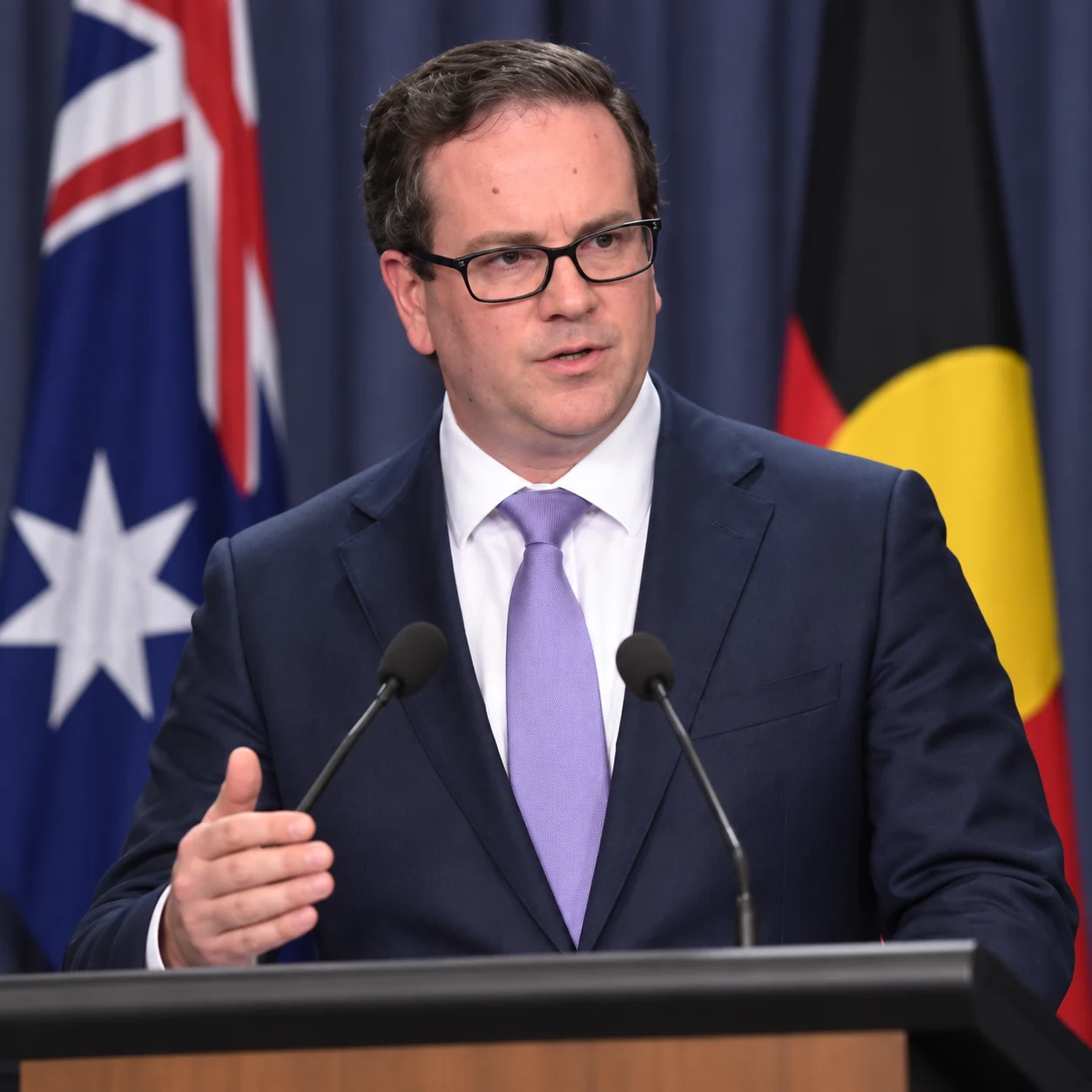
The federal government has abandoned a proposed $5,000 annual review threshold for veterans receiving allied health treatment after weeks of criticism from veterans’ groups, opposition parties and crossbench senators.
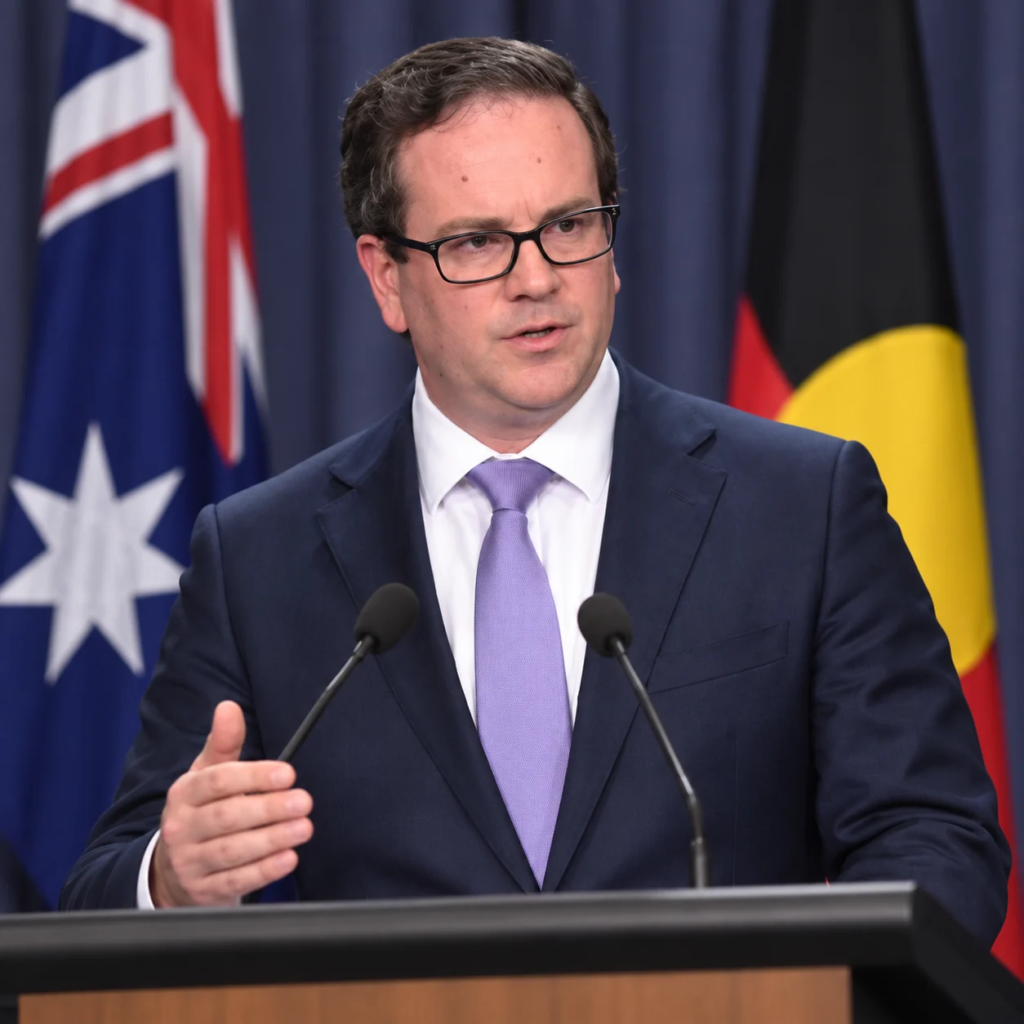
The plan had been included in the federal budget as part of changes to the way Department of Veterans’ Affairs patients access allied health services. It would have replaced an existing system under which veterans generally return to their GP after 12 visits for a further referral with a review point triggered after $5,000 in annual allied health expenditure.
On Thursday, the government confirmed it would not proceed with the change. Health Minister Mark Butler said the government had heard the concerns of the veterans’ community and recognised that the proposal did not have a pathway through the Senate.
Veterans’ Affairs Minister Matt Keogh also said the $5,000 proposal was off the table, while insisting the government still intended to improve access to allied health professionals by increasing the fees paid to providers who treat veterans.
That distinction is important because the abandoned threshold was only one part of the broader reform package. The government has argued that low reimbursement rates have made it difficult for some veterans to find physiotherapists, psychologists and other allied health professionals willing to accept Department of Veterans’ Affairs arrangements.
But the $5,000 review proposal quickly became the most politically contentious element. Veterans’ advocates warned that people with complex injuries or chronic conditions could reach the threshold quickly and face added administrative hurdles, uncertainty or delays in ongoing care.
The Coalition, independent senator Jacqui Lambie and other critics used the issue to argue that the government had designed a cost-saving measure without adequately understanding how heavily some veterans rely on allied health treatment.
Lambie, a former soldier who has frequently campaigned on veterans’ health, welcomed the reversal. She had been one of the most vocal critics of the proposal and argued that the government should focus on the recommendations of the Royal Commission into Defence and Veteran Suicide rather than introduce new barriers to treatment.
The government rejected the suggestion that it was trying to reduce legitimate care. Butler said the intention had been to move from a 12-visit referral cycle to a monetary review point that, for many services, could represent substantially more than 12 appointments. He also emphasised that the government was increasing allied health fees to improve provider participation.
However, the political problem was not only the mathematical comparison between 12 visits and $5,000. Veterans and advocates were concerned about the principle of linking a review trigger to a dollar amount when treatment costs vary widely depending on the type of service, location and complexity of a patient’s needs.
A veteran receiving a relatively inexpensive service could have many appointments before reaching $5,000, while someone needing higher-cost or multidisciplinary treatment could reach the threshold much sooner. Critics argued that a single financial trigger risked treating very different health needs as though they were equivalent.
The government’s retreat illustrates the difficulty of reforming veterans’ health systems after the Royal Commission into Defence and Veteran Suicide exposed deep problems with access, administration and trust. Even changes designed to simplify referrals can provoke strong resistance if veterans fear they could become another point at which care is questioned or delayed.
Butler said the government wanted the Senate to focus on legislation implementing further royal commission recommendations. He said the priority should be reforms directly linked to the commission’s work rather than continuing a political fight over the allied health threshold.
The reversal also reflects the reality of the Senate. The government does not control the upper house and needs support from other parties or crossbenchers to pass contested legislation. Once it became clear that the $5,000 measure could not secure sufficient backing, continuing to defend it risked consuming political energy without a realistic path to implementation.
For veterans, the immediate effect is that the proposed threshold will not proceed. Existing referral arrangements remain in place while the government continues with other changes, including higher payments to allied health providers.
That does not end the policy debate. Veterans’ groups have long argued that access problems are caused by more than referral rules. Workforce shortages, regional availability, provider reimbursement, complex departmental processes and long waiting times can all affect whether a veteran receives treatment when it is needed.
The government says increasing provider fees is intended to address one of those pressures. If allied health professionals can earn more through other schemes or private patients than through Department of Veterans’ Affairs arrangements, some may stop accepting veterans altogether. Raising rates could therefore improve practical access even without changing referral rules.
Critics will now watch whether those increases produce measurable improvements and whether the government consults earlier with veterans before attempting future changes. The intensity of the backlash suggests there is little political tolerance for reforms that can be framed as limiting care, even when ministers argue the policy is intended to streamline access.
The episode also highlights the importance of precise language. The abandoned proposal was often described as a “cap”, which suggested treatment would simply stop after $5,000. Government ministers said it was intended as a review point rather than an absolute ceiling on care. Even so, the perception of a cap became politically dominant because veterans feared the review could still interrupt treatment.
That gap between policy design and public understanding became impossible for the government to ignore. Once veterans’ organisations, the opposition and crossbench senators were aligned against the measure, ministers faced a choice between defending a proposal with little chance of passing or withdrawing it and concentrating on reforms with broader support.
They chose the latter. For Labor, the challenge will now be to show that abandoning the $5,000 threshold is not the end of efforts to improve allied health access. For veterans, the key question is whether the remaining reforms make it easier to find and keep appropriate care without creating new administrative obstacles.
The debate will continue as the government implements recommendations from the Royal Commission into Defence and Veteran Suicide. But on the specific question of the $5,000 allied health review threshold, the position is now clear: the proposal will not proceed.
The controversy also exposes a broader problem in health policy: reforms designed around averages can produce very different consequences for people with unusually high needs. Veterans with serious musculoskeletal injuries, neurological conditions, chronic pain or complex mental-health conditions may use allied health at a level that looks exceptional on a spreadsheet but is entirely routine for their treatment plan.
That is why consultation matters before a financial trigger is introduced. A policy can be technically described as a review mechanism while still feeling like a restriction to patients who depend on continuity of care. Once that trust is lost, even a change intended to reduce paperwork can be interpreted as a threat to access.
The government will now have to show that its alternative approach can address both sides of the problem: preserving continuity for veterans while making the system easier for providers to work with. If higher rebates attract more clinicians but administrative processes remain cumbersome, access may still be uneven. If referral rules are simplified without adequate oversight, the department may face different concerns about consistency and cost.