A proposal from a conservative activist group to expand the circumstances in which naturalised Australians could lose their citizenship has opened a fresh debate about allegiance, free speech and the limits of government power.
The push was promoted this week by Revive Australia, which has called for what it describes as an “Australian Allegiance Act”. The group argues that citizenship should carry enforceable obligations beyond obeying the law and wants authorities to be able to pursue naturalised citizens who, in its view, repudiate their allegiance to Australia. The proposal followed a public controversy over comments made during an ABC migration forum about whether there is a distinct “white Australian culture”.
It is important to separate that advocacy campaign from the law as it currently stands. The proposal is not a government bill and there has been no announcement from the federal government that it intends to create a general power to strip citizenship from people because of political speech, views about culture or a refusal to “assimilate”.
Australian citizenship law already contains tightly defined pathways for citizenship to end, but they are narrower than the model being advocated. Under the Australian Citizenship Act 2007, citizenship can be renounced voluntarily. In some circumstances the minister can revoke citizenship obtained by conferral where there was fraud connected with the citizenship or migration process, or where certain serious offending occurred before citizenship was granted. The Act also allows a court, on an application by the minister, to make a citizenship cessation order for particular serious offences where statutory conditions are met.
Those powers are not a general licence to cancel citizenship because a person has expressed offensive, unpopular or controversial opinions. The existing law places conditions around revocation and cessation, including safeguards connected with statelessness and judicial process. That distinction is central to the current argument because the activist proposal would move the debate from conduct already captured by criminal or fraud provisions towards a broader test of allegiance and cultural loyalty.
The Australian citizenship pledge requires new citizens to pledge loyalty to Australia and its people, share democratic beliefs, respect rights and liberties, and uphold and obey Australian laws. Revive Australia’s proposal seeks to give that pledge a stronger punitive role. Its supporters argue that people who voluntarily acquire citizenship should be held to the commitment they made and that citizenship should be capable of being withdrawn where a person later shows what the group considers clear disloyalty.
That argument raises immediate legal and constitutional questions. Australian citizenship is a legal status, not a licence that is ordinarily conditional on a person holding approved cultural or political opinions. Once citizenship has been granted, naturalised citizens and Australian-born citizens participate in the same democratic system and enjoy the same protections of law. Any proposal to create different exposure to citizenship loss based on origin would be likely to attract close scrutiny over equality before the law, freedom of political communication, due process and the risk of creating a two-tier model of citizenship.
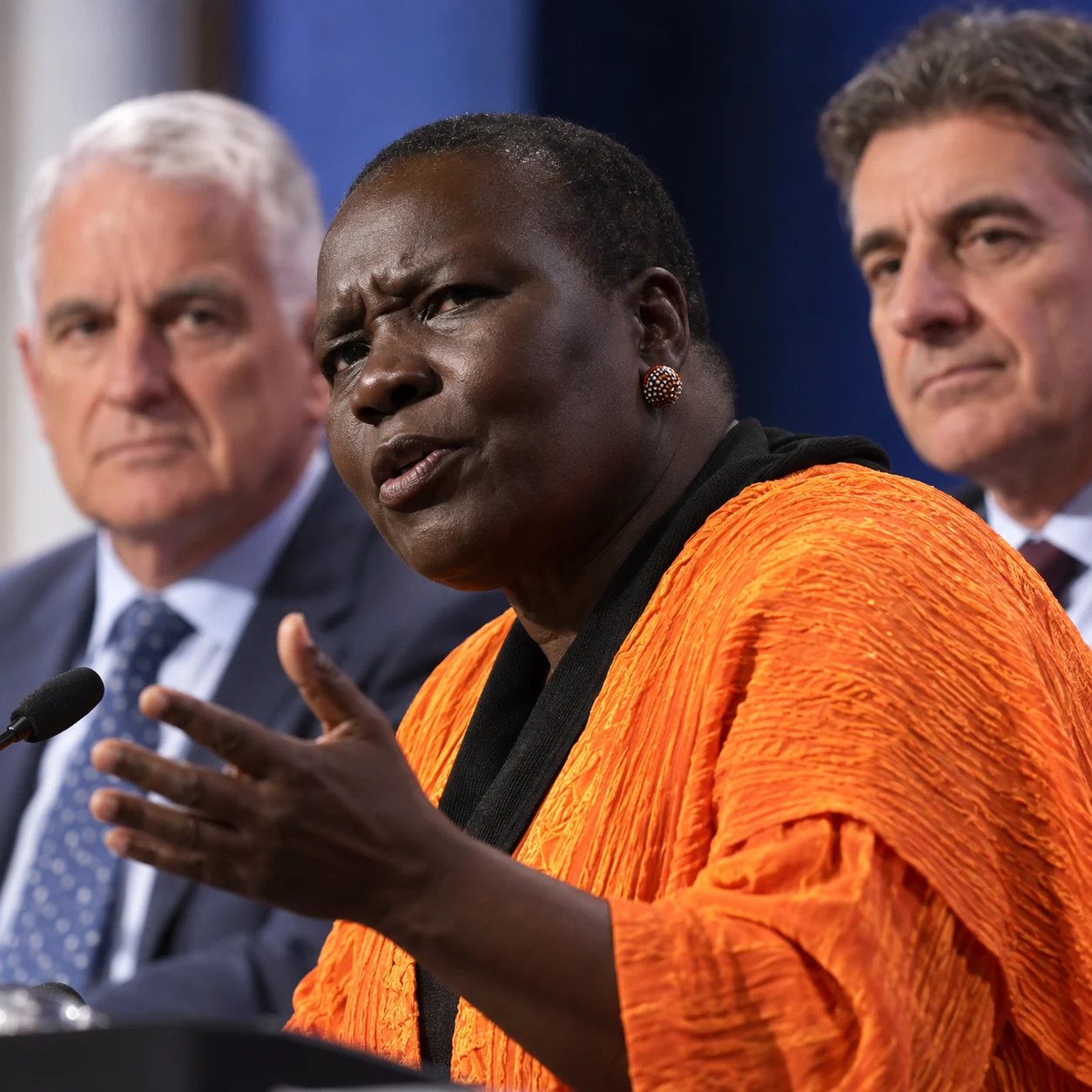
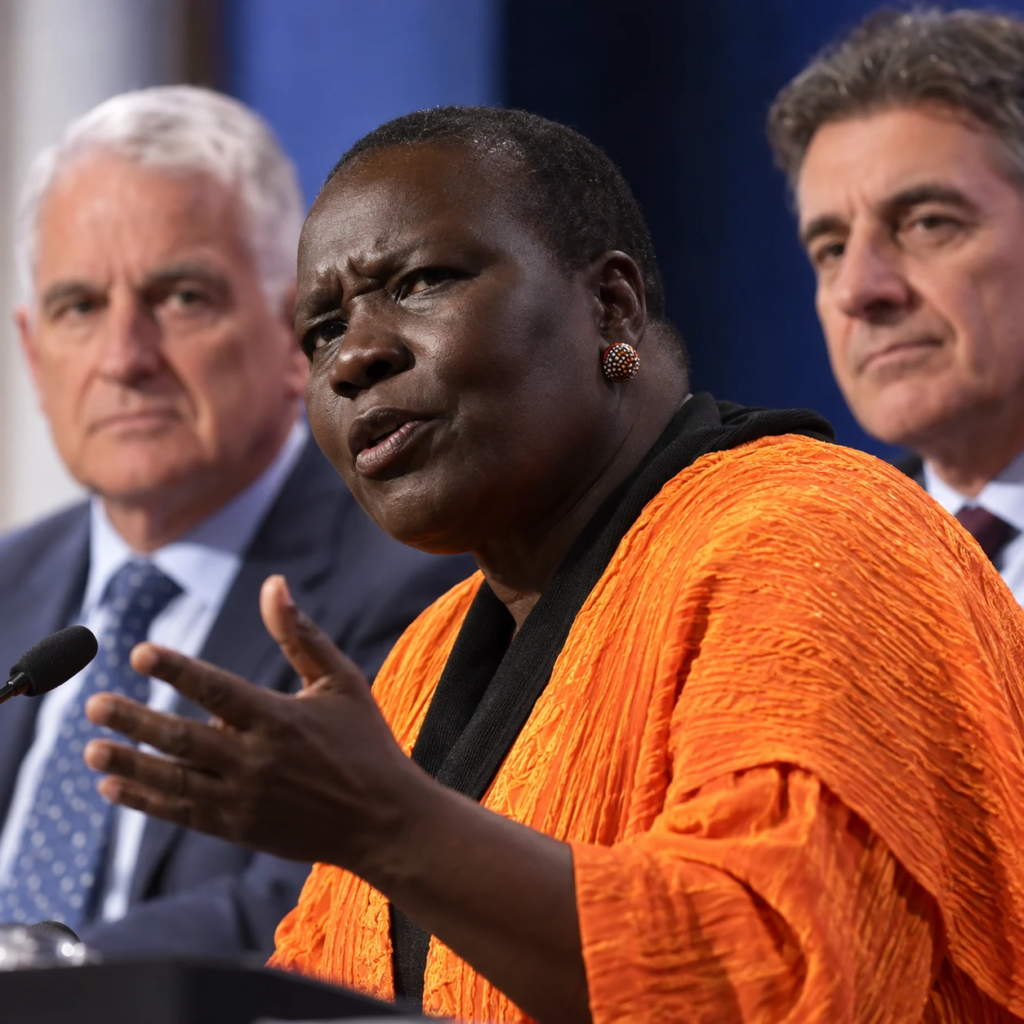
The campaign was triggered by comments from lawyer and commentator Nyadol Nyuon during a nationally broadcast discussion about migration. Supporters of the proposed law have characterised her remarks as evidence that the citizenship system does not adequately enforce allegiance. Others have argued that criticism of cultural concepts, even when provocative or offensive, should be answered through public debate rather than by threatening a person’s legal status as a citizen.
The underlying phrase “white Australian culture” is itself contested. Australia has a British and European institutional inheritance, an Indigenous history extending tens of thousands of years, and a large modern population shaped by migration from every region of the world. Political arguments about which of those elements should be given priority are questions of identity and values, not straightforward factual tests that can easily be converted into a legal threshold.
That difficulty matters because a law built around concepts such as “antiwhite hatred”, “anti-Australian rhetoric” or refusal to assimilate would need precise definitions. Criminal laws generally require clear elements that a court can test against evidence. Terms that are broad, ideological or culturally subjective can create uncertainty about where lawful dissent ends and punishable conduct begins.
The federal government’s current migration agenda is focused on visa integrity, temporary migration, overstayers, student visas, skilled migration and the pace of net overseas migration. In a National Press Club speech delivered on Australian Citizenship Day, Home Affairs Minister Tony Burke described citizenship ceremonies as the culmination of the migration journey and emphasised that Australians of different backgrounds form part of the same national community.
Burke used the image of an orchestra rather than a “melting pot”, arguing that modern multicultural Australia does not require people to erase every element of their previous identity in order to belong. At the same time, he stressed that citizenship involves a pledge to Australia and that the migration system must retain public confidence through enforceable visa rules.
That policy approach is materially different from the activist proposal now circulating. The government has announced tougher measures aimed at visa overstayers, student visa movement and some temporary visa categories, but those measures concern immigration status before citizenship. They do not create a new test under which naturalised citizens could be deported because of controversial speech about Australian identity.
The distinction between immigration law and citizenship law is also significant. A non-citizen can be subject to visa cancellation and removal under migration law in circumstances that do not apply to a citizen. Once a person becomes an Australian citizen, deportation is not simply an administrative extension of ordinary visa enforcement. Citizenship must first lawfully cease under the Citizenship Act before removal could become an issue.
Supporters of broader revocation powers are likely to continue arguing that the present system places too much emphasis on rights and too little on reciprocal obligations. Their case is that the citizenship pledge should have consequences when a person later repudiates what they promised. Critics are likely to counter that allegiance is already protected through laws dealing with treason, terrorism, foreign interference, serious criminal conduct and fraud, and that extending citizenship loss to political expression would create a dangerous precedent.
There is also a practical question about who would be affected. Australia cannot generally make a person stateless. A policy that depended on stripping citizenship would therefore fall more heavily on dual nationals or people able to acquire another nationality than on citizens who have no other nationality. That asymmetry has long been one of the most difficult features of citizenship cessation policy.
For now, the latest proposal remains an advocacy campaign rather than enacted policy. Any move to turn it into law would require legislation through federal parliament and would be expected to face detailed scrutiny over definitions, constitutional validity, procedural fairness and Australia’s international obligations.
The political argument, however, is unlikely to disappear quickly. Migration and national identity have become central issues in Australian politics, and disputes that once focused mainly on visa numbers are increasingly expanding into questions about belonging, social cohesion and what obligations citizenship should carry.
The immediate facts are therefore narrower than some of the headlines suggest: an activist group is calling for a much broader citizenship revocation regime, while existing Australian law only permits citizenship loss in specified circumstances. Whether the country should go further is a political and legal debate that parliament, rather than campaign slogans, would ultimately have to resolve.
The proposal also arrives at a time when federal migration policy is already being tightened in other areas. That broader context may make citizenship arguments more politically salient, but the legal categories remain different. Visa holders can lose permission to remain in Australia under migration law; citizens cannot simply be treated as visa holders whose permission has expired.
The current Citizenship Act reflects that difference by linking involuntary citizenship loss to specified legal circumstances rather than a general assessment of cultural conformity. Section 34 deals with revocation connected to fraud and certain serious pre-citizenship offending, while the court-order provisions in sections 36B and 36C apply to a defined group of serious offences and require judicial involvement. The law also contains protections against creating statelessness in relevant circumstances.
Any future bill modelled on the activist proposal would therefore need to answer basic questions before parliament could meaningfully assess it: what conduct would trigger proceedings, what evidence would be required, whether intent would matter, who would make the decision, what appeal rights would exist and how the law would operate for people with only Australian nationality. Without answers to those questions, slogans about “stripping citizenship” conceal much of the difficult legal work.
There is also a democratic principle at stake. Citizenship carries obligations, including obedience to Australian law, but citizens are also free to criticise the country, its history, its institutions and one another. Australian politics routinely includes arguments that some people regard as insulting to national identity. Turning those disputes into citizenship cases would represent a substantial shift in the relationship between the state and naturalised citizens.