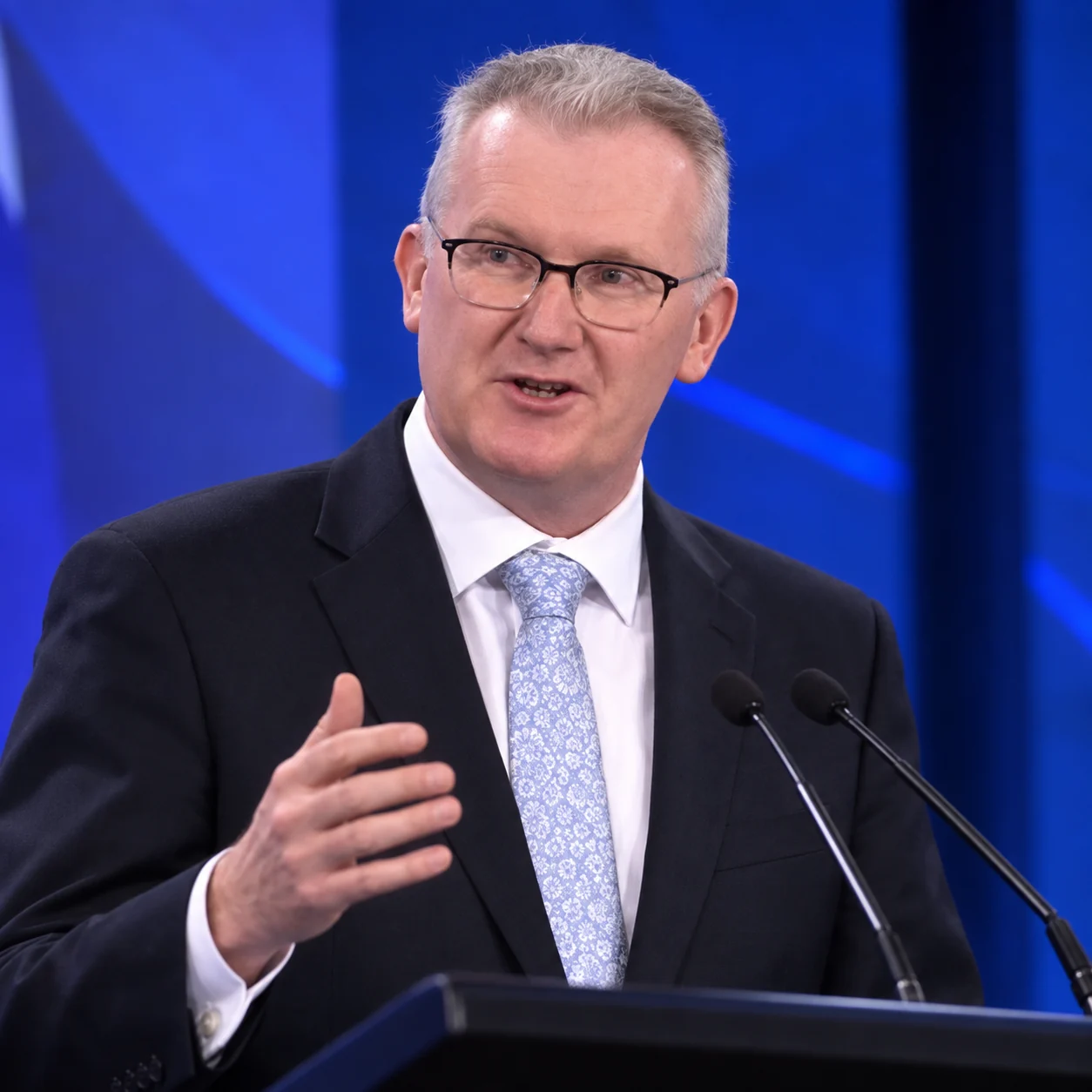
Home Affairs Minister Tony Burke has defended the government’s migration overhaul by arguing that Australia’s housing shortage is not caused solely by immigration but that lower migration is now necessary to give housing supply time to catch up.
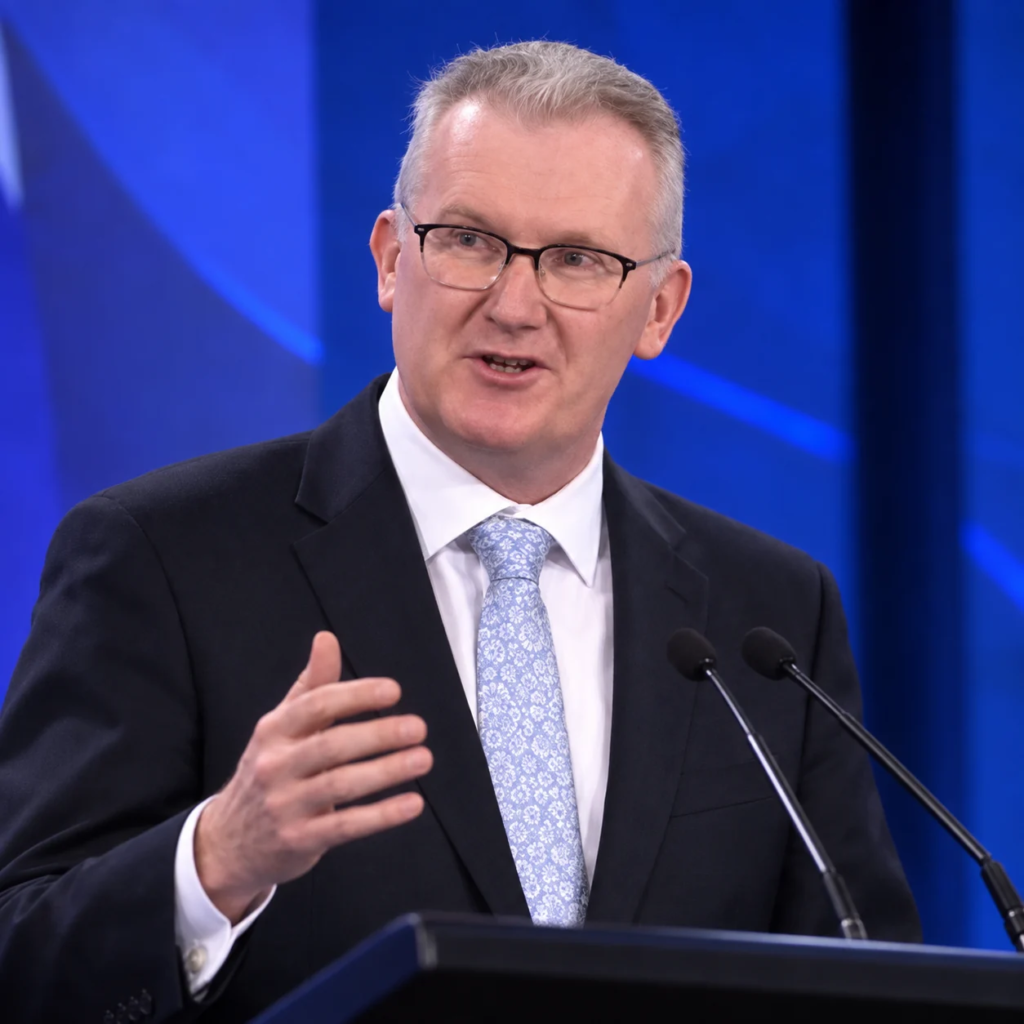
Burke used a National Press Club address on Thursday to unveil a package of changes targeting temporary visas, visa overstayers and parts of the international student and working holiday systems. The government says the measures are intended to bring net overseas migration down to levels set out in the federal budget.
During the speech, Burke said the housing shortage was “not caused by immigration” but added that immigration “needs to be part of the solution for the housing crisis”. He argued that Australia had reached a point where migration settings could no longer be considered separately from the availability of homes and infrastructure.
The distinction immediately became politically contentious. Critics accused the minister of downplaying the effect of rapid population growth on rents, home prices and infrastructure, while supporters of Labor’s approach argued that the housing crisis has multiple causes, including long-term underbuilding, smaller household sizes, planning constraints, construction costs and shortages of skilled workers.
The government’s new position is that net overseas migration forecasts should effectively be treated as targets because housing supply is under pressure. Burke said the government intended to achieve net overseas migration of about 245,000 this year and 225,000 in the following financial year.
Latest Australian Bureau of Statistics data cited by the ABC showed net overseas migration had already fallen to 292,100 in the year to March. That remains high by historical standards, but it is well below the post-pandemic peak and continues a downward trend as temporary migration settings tighten.
The package includes stronger action against visa overstayers, restrictions on international students bringing family members as secondary applicants and changes designed to reduce what the government describes as inappropriate “visa hopping”. Working holiday arrangements will also be tightened, with greater emphasis on regional work requirements for people seeking additional years in Australia.
Burke said legitimate pathways from study to skilled work and permanent residence would remain. His argument is that moving between visas is not inherently a problem; the target is repeated changes of status used primarily to extend a stay without a genuine connection to education, employment or skills needs.
The government is also increasing compliance activity against people who remain in Australia after their visas expire. Officials estimate there are tens of thousands of unlawful non-citizens in the country, and Australian Border Force operations are expected to intensify under the new framework.
The housing component of Burke’s speech reflects how central migration has become to national politics. One Nation is pushing for substantially deeper reductions, while the Coalition has criticised Labor for allowing migration to remain too high. The Greens have accused the major parties and One Nation of using migrants as scapegoats for decades of inadequate investment in housing and public services.
Those positions involve different diagnoses of the same pressure. Higher population growth increases demand for housing in the short term, particularly in cities where migrants first settle. At the same time, housing supply depends on land release, planning decisions, construction capacity, interest rates, infrastructure and the financial viability of development.
Migration also affects housing supply through the workforce. Construction, engineering, health and other sectors rely on skilled migrants, which means a reduction in migration can ease demand while also reducing the pool of workers available to build homes and deliver services. The policy challenge is therefore not simply to maximise or minimise migration, but to manage its scale and composition alongside investment in housing and infrastructure.
Burke’s comments were mocked by some critics because they appeared to reject a simple causal link while still using housing pressure to justify lower migration. But the two statements are not necessarily contradictory. A problem can have multiple causes while one contributing factor is adjusted to reduce pressure.
The more important question is how large that contribution is and whether the government’s target is achievable. Burke went further than many ministers normally do by rejecting the possibility that the government would miss its stated migration numbers, saying the targets would be met.
That commitment carries political risk because net overseas migration is affected by individual decisions to arrive, leave, study, work and remain in Australia. Government policy strongly influences those flows, but it does not control every variable.
The overhaul relies heavily on regulatory changes rather than new legislation. That allows the government to move more quickly in areas such as visa conditions, student eligibility and compliance settings. It also means some changes can be implemented without the same parliamentary negotiation required for primary legislation.
Business and education groups will be watching closely. Universities depend heavily on international students, while employers in health, aged care, hospitality, agriculture and construction rely on temporary and permanent migrants. Sharp reductions can therefore create labour shortages or financial pressure even as they reduce population growth.
Housing advocates will focus on whether slower migration is matched by faster construction. If housing completions remain weak, lower migration alone may not make homes substantially more affordable. Conversely, if supply rises while population growth slows, vacancy rates and rental pressure could ease more noticeably.
The political debate is likely to remain highly charged because migration has become a proxy for wider concerns about living standards, congestion, wages and national identity. One Nation argues for a far more dramatic reduction in arrivals. Labor is tightening the system while preserving a large skilled migration program. The Coalition is developing its own alternative and has pressed the government for lower numbers and more detailed modelling.
The Greens reject much of that framing and argue that housing affordability should be tackled directly through public housing, planning reform and measures aimed at wealth and property investment rather than primarily through migration cuts.
Burke’s speech therefore did more than announce visa rules. It marked a change in the way Labor talks about migration: the government is now explicitly tying population flows to the ability of the housing system to absorb them.
Whether voters accept the argument will depend on results. If migration falls towards the government’s targets and housing pressure eases, Labor will point to the policy as evidence of control. If rents and prices remain high, opponents will argue that the changes were either too small or directed at the wrong cause.
For now, the government’s position is clear. It does not accept that immigration alone created Australia’s housing shortage, but it accepts that the pace of migration must slow while the country tries to build enough homes for the population it already has and the people it continues to admit.
The timing of the announcement also matters. The government is acting while housing affordability remains one of the country’s most persistent economic problems and while political competition over migration has intensified. That creates an incentive for every party to present a simple explanation, even though the underlying relationship between population growth and housing is more complicated.
Economists generally distinguish between short-term demand pressure and the structural supply problem. A larger population requires more dwellings, so rapid migration can add to rental demand when vacancy rates are already low. But the size and durability of that effect depend on how quickly homes are built and where new arrivals settle. If construction responds strongly, population growth can be absorbed more easily; if supply is constrained, prices and rents can rise faster.
For that reason, the success of Burke’s approach cannot be judged from migration numbers alone. The government will also be judged on housing completions, rental vacancy rates, infrastructure delivery and whether employers can still recruit workers in sectors where domestic shortages are acute.