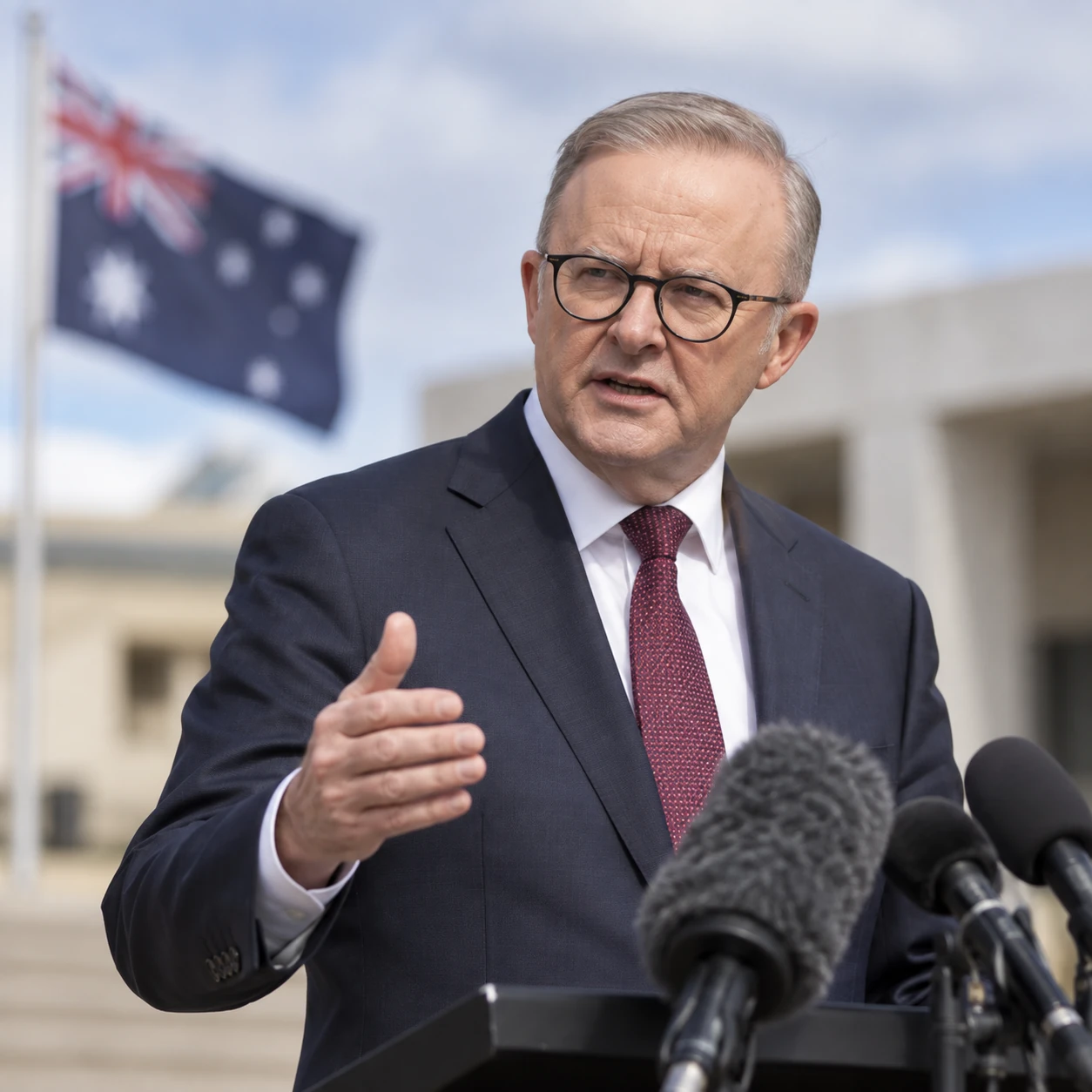
Anthony Albanese is facing a deepening trust problem after new polling found a majority of voters do not trust him, with the federal government’s decision to break election promises on negative gearing and capital gains tax emerging as a major source of the damage.
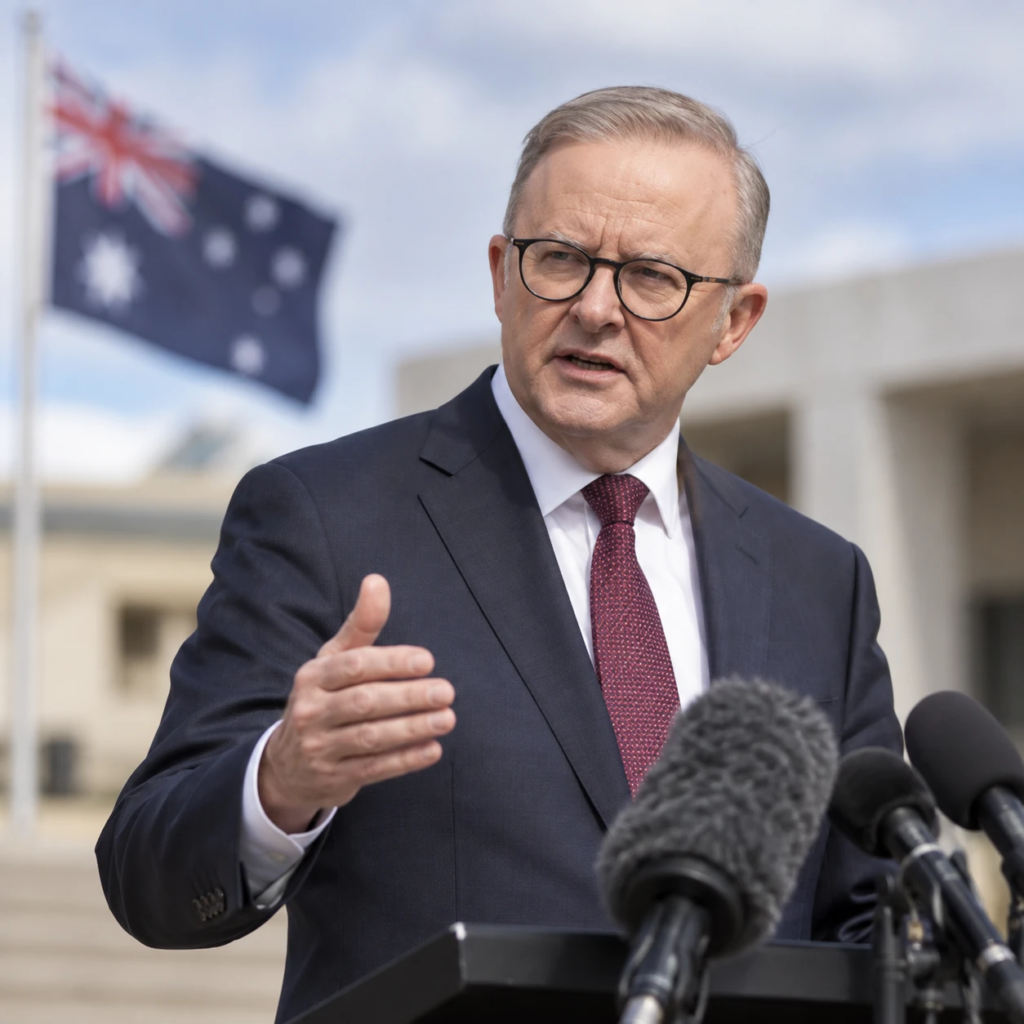
The latest Resolve Political Monitor, conducted for The Sydney Morning Herald and The Age from September 6 to 12, surveyed 2,250 voters and found 23 per cent said they had lost trust in the prime minister because of broken promises in the May budget.
That is on top of 34 per cent who said they already did not trust Albanese before the reversals, meaning 57 per cent of respondents fell into one of those two groups. Twenty-six per cent said they continued to trust him.
The political damage is not limited to a personal rating. Forty-one per cent of voters said Labor’s broken promises made them less likely to vote for the party, according to reporting on the poll, while only 20 per cent said the changes made them more likely to do so.
Albanese’s preferred prime minister rating also fell three points to 29 per cent. The result matters because personal trust has long been one of his strongest political assets, particularly compared with the volatility that defined federal politics before Labor returned to government.
The immediate trigger is housing tax policy. Before the election, Albanese and senior Labor figures repeatedly ruled out changing negative gearing and the capital gains tax discount. The 2026–27 federal budget then changed course, with the government arguing that the housing affordability crisis had become too severe to leave the existing tax settings untouched.
The reforms restrict negative gearing for residential property largely to new builds from the 2027–28 financial year, while existing investments are protected under grandfathering arrangements. The government is also replacing the existing 50 per cent capital gains tax discount with a different treatment, including indexation-based arrangements and measures intended to encourage investment in new housing supply.
Treasurer Jim Chalmers has openly acknowledged that the government broke a promise. His defence is that the housing market changed and that governments should be willing to alter course when they believe the public interest requires it.
That is a defensible policy argument, but it does not remove the political cost. Voters can agree with a policy and still punish a government for breaking its word.
That tension is one of the most striking features of the latest polling. Resolve found strong support for lower house prices, the broad objective Labor says it is pursuing. Other polling around the tax changes has also shown meaningful support for measures aimed at reducing investor advantages and improving access for first-home buyers.
In other words, Albanese’s problem is not simply that the policy is unpopular. The harder problem is that some voters appear to support the destination while disapproving of the way the government got there.
Trust operates differently from ordinary approval. A prime minister can recover from a bad month of economic news if inflation falls, interest rates improve or an opposition makes mistakes. Rebuilding trust after an explicit promise is broken is more difficult because every later assurance is judged against the earlier reversal.
That is particularly important for Albanese because reliability formed part of his political brand. He presented himself as a steady, conventional leader who would restore order after years of leadership turmoil and political drama. A broken promise on a high-profile tax issue cuts directly against that image.
The government argues that circumstances changed. Housing affordability has deteriorated, younger Australians remain locked out of home ownership and the tax system has increasingly been criticised for favouring people who already own investment property.
Labor says limiting negative gearing to new builds will redirect investment towards additional supply rather than bidding up the price of existing homes. It also argues that changes to capital gains tax treatment will reduce the advantage enjoyed by investors over owner-occupiers.
Critics dispute that logic. Property and construction groups have warned that reducing tax incentives may discourage investment, reduce rental supply and increase rents. Coalition figures argue the changes could damage confidence and slow new housing construction at a time when Australia is already struggling to meet its housing targets.
The government’s response is that grandfathering existing investments reduces disruption and that incentives for new housing are designed to preserve construction activity.
Those economic arguments will take years to settle. The political argument is happening now.
Labor is also dealing with broader anxiety about economic management. The same Resolve survey found 74 per cent of respondents were concerned about federal debt, while almost half wanted the government to reduce spending. That creates an environment in which broken promises on tax policy can become part of a wider judgement about competence and discipline.
The fragmented party system makes the trust problem even more significant. Labor’s primary support remains competitive, but One Nation has been polling at levels that would once have seemed extraordinary, while the Coalition is also trying to rebuild support under Angus Taylor.
Voters dissatisfied with Labor therefore have more than one place to go. Some may move to the Coalition over tax and economic management. Others may shift to One Nation because of migration, housing pressure or a broader rejection of the major parties. The Greens remain an option for voters who support stronger intervention in housing and taxation but are unhappy with Labor’s approach.
That fragmentation means a relatively small movement in trust can reshape preference flows and seat contests even if Labor’s primary vote does not collapse.
For Albanese, the strategic challenge is to convince voters that the reversal was justified rather than opportunistic. That will require more than repeating that housing affordability is a crisis. The government needs to show that the changes produce visible benefits: more homes, better access for first-home buyers and a tax system voters regard as fairer.
If those benefits become clear, some voters may eventually decide the broken promise was worth it. Governments have reversed positions before and survived when the outcome was seen as necessary or successful.
If the reforms fail to improve affordability, however, the political cost will be far greater. Labor would then carry both the damage of breaking its word and the failure of the policy used to justify doing so.
The timing matters because trust can harden into a broader narrative. Once voters begin to interpret unrelated decisions through the idea that a government says one thing and does another, every new controversy reinforces the same judgement.
That is why the latest poll matters more than a routine movement in preferred prime minister numbers. Albanese is not simply being marked down on one policy. He is being tested on whether voters still believe his commitments mean what they appear to mean.
Labor can point to the housing crisis, changed economic conditions and the case for reform. Its opponents can point to the plain language of the earlier promise. Both arguments can be true at the same time.
The next phase of the debate will be determined by results. If housing becomes more affordable and new supply improves, the government will argue that breaking the promise was an act of political courage. If not, the decision may be remembered less as reform and more as the moment Albanese spent one of his most valuable political assets and failed to get it back.