THE ROSEWOOD RING
PART ONE — THE GIRL WITH THE ROSES
Victoria Rosewood had spent twenty years believing there was only one ring like hers left in the world.
That belief ended at 2:16 on a bright Thursday afternoon in the lobby of the Grand Ashford Hotel.
The hotel stood in the center of Boston, all marble floors, tall glass windows, polished brass, fresh flowers, and people who seemed to know exactly where they were going.
Victoria sat alone in a forest-green lounge chair near the windows.
Her meeting had ended early.
Her driver was delayed.
For once, nobody needed anything from her.
She should have enjoyed the silence.
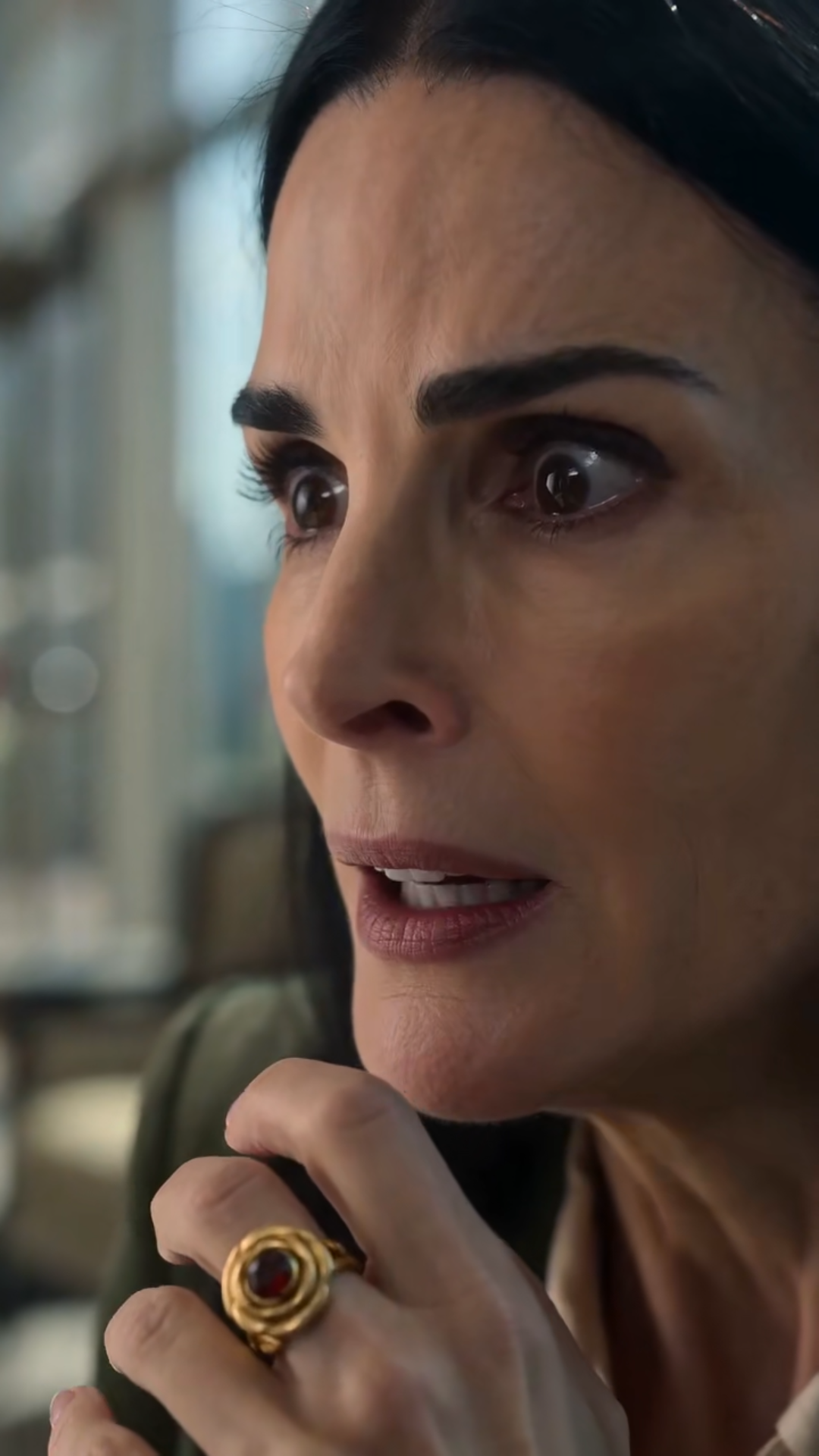
Instead, she kept rotating the gold ring on her right hand.
A rose.
Five delicate petals.
A deep red stone in the center.
Inside the band was a single word.
Rosewood.
The ring had belonged to her grandmother.
Before that, her great-grandmother.
According to Victoria’s father, there had once been two identical rings.
One for each daughter in the family.
Victoria had received one when she turned eighteen.
The other had disappeared years earlier.
Along with her younger sister.
Victoria stopped turning the ring.
She hated where that thought always went.
So she looked toward the hotel entrance instead.
That was when she saw the little girl.
Seven years old, maybe.
Brown hair tied in a simple ponytail.
Dusty-blue knitted cardigan over a pale yellow dress.
Dark brown shoes.
She carried a small wicker basket filled with red roses.
The girl approached guests politely.
Some bought flowers.
Some shook their heads.
One businessman barely looked at her.
The child simply moved on.
Then she reached Victoria.
“Would you like a rose, ma’am?”
Victoria looked at the basket.
Then at the girl’s face.
There was something familiar about her eyes.
Not enough to alarm her.
Just enough to make her hesitate.
“Sure.”
Victoria reached into her handbag.
“No,” the girl said quickly. “You can just take one.”
Victoria smiled.
“That isn’t a very good business model.”
The girl looked confused.
“My mom says sometimes you give one away because somebody looks sad.”
Victoria blinked.
“Do I look sad?”
“A little.”
Victoria laughed softly.
“That’s very honest.”
The girl selected a rose.
Victoria reached for it.
Sunlight from the window struck her ring.
The red stone flashed.
The child froze.
Her expression changed from polite concentration to delight.
“Your ring looks just like my mom’s.”
Victoria’s hand stopped.
“What?”
The girl pointed.
“That.”
Victoria looked at her ring.
Then smiled carefully.
“Lots of rings have roses.”
The girl shook her head.
“No. Hers is exactly like that.”
Victoria turned the band instinctively.
“No, sweetheart. This belongs to my family.”
The girl’s forehead wrinkled.
“So does my mom’s.”
Victoria’s smile disappeared.
“What do you mean?”
The girl leaned slightly closer.
“Does yours say Rosewood inside too?”
Every sound in the hotel seemed to fall away.
Victoria stared.
The child’s innocent expression did not change.
She had no idea what she had just done.
Victoria’s right hand began trembling.
She closed it.
“Where…”
Her throat tightened.
“Where is your mother?”
The girl pointed toward the hotel café.
“She works upstairs sometimes. She’s bringing flowers to a wedding.”
Victoria stood too fast.
Her handbag nearly slipped from her shoulder.
“What is her name?”
The little girl hesitated.
“Emma.”
Victoria stopped breathing.
Not possible.
There were thousands of women named Emma.
Hundreds in Boston.
Probably dozens working near the hotel.
It meant nothing.
Then the child added:
“Emma Carter.”
Victoria sat back down.
Carter.
Not Rosewood.
Of course.
She tried to breathe normally.
“What is your name?”
“Lily.”
“Lily Carter?”
The girl nodded.
Victoria studied her face.
Brown eyes.
Small nose.
A slight dimple near the left side of her mouth.
Victoria had seen that dimple before.
On a girl in an old photograph.
A girl with black hair in two braids, standing beside Victoria on a beach in Maine.
Her sister.
Emily Rosewood.
Victoria stood again.
“Lily, can you show me your mother’s ring?”
The child became cautious.
“Why?”
Victoria realized how frightening she must look.
A stranger.
Shaking.
Asking about her mother.
She forced herself to soften.
“I’m sorry.”
She sat.
“My family had a ring like that a long time ago. I just thought…”
She stopped.
The girl waited.
Victoria asked:
“Does your mother wear it every day?”
“No.”
“When does she wear it?”
“Not much.”
“Where does she keep it?”
Lily frowned.
“In a little box.”
Victoria’s pulse accelerated.
“What kind of box?”
The girl thought.
“Blue.”
Victoria shut her eyes.
A blue velvet box.
Their grandmother had given both rings in matching blue boxes.
Victoria still had hers.
In a safe.
“You really do look sad now,” Lily said.
Victoria opened her eyes.
“I’m okay.”
“You don’t look okay.”
“No.”
She almost laughed.
“I’m not.”
A woman’s voice came from across the lobby.
“Lily?”
The child turned.
Victoria did too.
A woman was walking quickly toward them.
Mid-thirties.
Brown hair tied back.
Simple black work dress beneath a tan coat.
She carried several empty flower boxes.
At first Victoria saw only a stranger.
Then the woman came closer.
The shape of the eyes.
The jaw.
The dimple.
Not Emily.
But close.
Too close.
“Lily, I told you to stay near the café.”
“Sorry, Mom.”
The woman looked at Victoria.
“I’m sorry if she bothered you.”
Victoria could not speak.
The woman noticed.
“Ma’am?”
Victoria stared at her left hand.
No ring.
She whispered:
“Emma?”
The woman froze.
“How do you know my name?”
Victoria’s chest tightened.
“Your mother.”
Emma’s expression changed immediately.
Not confusion.
Alarm.
“Lily, come here.”
The girl moved beside her.
Victoria stood slowly.
“Was your mother’s name Emily?”
Emma went pale.
“Who are you?”
Victoria showed her ring.
Emma stared at it.
Then at Victoria’s face.
Something broke through her expression.
Recognition.
“No.”
Victoria whispered:
“My name is Victoria Rosewood.”
Emma stepped backward.
Lily looked between them.
“Mom?”
Emma took her daughter’s hand.
“We’re leaving.”
“Please.”
Victoria moved forward.
Emma turned sharply.
“Don’t.”
Victoria stopped.
Emma’s eyes were wet now.
“You don’t get to show up because a child noticed a ring.”
Victoria felt as if she had been struck.
“You know who I am.”
Emma laughed bitterly.
“Of course I know who you are.”
“Where is Emily?”
Silence.
“Emma.”
The younger woman looked down.
Then said:
“My mother died eleven years ago.”
Victoria’s face emptied.
“No.”
Emma’s voice hardened.
“Yes.”
“How?”
“Cancer.”
Victoria grabbed the back of the chair.
No one had told her.
She had spent two decades believing Emily was alive somewhere.
Angry.
Gone.
Choosing silence.
“Why didn’t anyone tell me?”
Emma stared.
“You really don’t know.”
Victoria’s fear changed.
“What don’t I know?”
Emma looked at Lily.
Then toward the hotel entrance.
“Not here.”
Victoria said:
“Please.”
Emma closed her eyes.
When she opened them again, anger had replaced shock.
“My mother spent fifteen years waiting for someone from your family to admit what they did to her.”
Victoria stared.
“What are you talking about?”
Emma pointed at the ring.
“That wasn’t the only thing your family took from her.”
Victoria felt cold.
“My sister left.”
“No.”
Emma shook her head.
“Your sister was thrown out.”
The words hit harder than anything else.
Victoria whispered:
“By who?”
Emma looked directly at her.
“Your father.”
Victoria’s face changed.
“No.”
“And you signed the papers that made sure she could never come back.”
Victoria stopped breathing.
“I never signed anything.”
Emma almost laughed.
“Then somebody used your name.”
Lily tugged her mother’s sleeve.
“Mom, what’s happening?”
Emma looked down.
Her anger softened immediately.
“Nothing you did.”
Victoria stared at the child.
Then back at Emma.
“What papers?”
Emma answered:
“The ones that took my mother’s inheritance.”
And suddenly the ring was no longer the mystery.
It was only the first piece of evidence.
They moved into a quiet private lounge away from the lobby.
Emma refused to leave Lily alone.
Victoria did not object.
The little girl sat beside her mother holding the rose basket.
Victoria sat opposite.
For several seconds, nobody spoke.
Then Emma reached into her handbag.
She removed her phone.
Opened an old photograph.
Placed it on the table.
Victoria recognized Emily instantly.
Twenty-two years old.
Long black hair.
Same Rosewood eyes.
Beside her stood a man Victoria did not know.
And in Emily’s hand—
the second rose ring.
Victoria touched the screen.
“When was this?”
“1999.”
“Where?”
“Providence.”
Victoria frowned.
“My father told me Emily went to California.”
“She never went to California.”
Victoria looked up.
Emma continued.
“She lived in Rhode Island.”
“Why?”
“Because your father told her she was no longer welcome home.”
Victoria felt anger rise.
“That doesn’t make sense.”
“It will.”
Emma took a breath.
Emily Rosewood had been twenty-one when she fell in love with David Carter.
A mechanic.
Working-class family.
No money.
No prestigious degree.
No connections.
The Rosewoods had wealth.
Old wealth.
Property.
Investments.
A foundation.
More importantly, they had expectations.
Victoria knew that part.
Their father, Charles Rosewood, believed family choices were public choices.
Who you married mattered.
Where you worked mattered.
What people said mattered.
Victoria had obeyed.
Mostly.
Emily did not.
“She wanted to marry my father,” Emma said.
Victoria remembered.
Not David.
A vague argument.
Their father furious.
Emily crying.
Victoria had been twenty-four.
Already working in the family foundation.
Charles told everyone Emily had become reckless.
There had been rumors about debt.
Drugs.
A man taking advantage of her.
Victoria looked sick.
“None of that was true?”
Emma shook her head.
“My father didn’t even drink.”
Victoria covered her mouth.
Emma continued.
Charles gave Emily a choice.
Leave David.
Or leave the family.
Emily chose David.
Victoria remembered the night.
Emily packing.
Their mother crying.
Charles standing in the hallway.
Victoria had done nothing.
That truth hurt enough.
But Emma wasn’t finished.
“Two months later, my mother learned she was pregnant.”
Victoria looked at Emma.
“With you.”
“Yes.”
“Did Dad know?”
“He did.”
Victoria’s eyes widened.
“How?”
“She wrote.”
Emma pulled up a scan of a letter.
Emily’s handwriting.
Victoria recognized it.
Emily asked only for one thing.
Not money.
Not reconciliation.
She wanted access to a small trust their grandmother had created equally for both daughters.
Money legally belonging to Emily.
Charles refused.
Victoria whispered:
“He couldn’t.”
“He did.”
“How?”
Emma’s jaw tightened.
“With documents stating Emily voluntarily renounced her interest.”
Victoria shook her head.
“She wouldn’t.”
“She didn’t.”
Emma looked directly at her.
“Your signature appears as witness.”
Victoria stood.
“No.”
Lily flinched.
Victoria immediately lowered her voice.
“No.”
She sat.
“I never signed that.”
Emma stared.
“My mother believed you did until the day she died.”
Victoria’s eyes filled.
“I didn’t.”
“Then prove it.”
Victoria closed her eyes.
Emma continued:
“Mom thought you chose him.”
“I didn’t even know she was pregnant.”
“She thought you did.”
“I swear.”
Emma laughed without humor.
“My mother spent years saying the worst part wasn’t losing the money.”
“What was?”
“That you never called.”
Victoria looked down.
That accusation was true.
She had not called.
At first because Charles forbade it.
Then because Emily changed her number.
Then because months passed.
Then pride.
Shame.
Fear.
Then years.
Victoria had told herself Emily wanted distance.
It was easier than admitting she had never tried hard enough.
“I should have found her.”
Emma said nothing.
Victoria continued:
“I believed my father when he said she wanted nothing to do with us.”
Emma replied:
“And she believed him when he said you signed.”
Two sisters.
Same father.
Two lies.
Both pointing away from each other.
Lily looked confused.
“Grandma Emily was your sister?”
Victoria looked at her.
“Yes.”
“So you’re…”
The child counted mentally.
“My great-aunt?”
Victoria laughed through tears.
“Yes.”
Lily smiled.
“That sounds old.”
Emma covered her face for a second.
Victoria unexpectedly laughed.
The tension broke just enough to breathe.
Then Lily asked:
“Why didn’t Grandma talk to you?”
Victoria answered honestly.
“Because adults made bad choices.”
Emma looked at her.
Victoria added:
“Me too.”
That mattered.
She did not place everything on Charles.
Emma noticed.
Victoria asked:
“Did Emily ever try again?”
“Yes.”
After Emma was born, Emily wrote three more letters.
No replies.
Victoria never saw them.
At age thirty-two, Emily attempted to contact Victoria directly through the family foundation.
Her call was intercepted by Charles’s longtime attorney.
She was told Victoria refused contact.
Victoria became pale.
“What attorney?”
“Jonathan Pierce.”
Victoria stood.
Jonathan had handled Rosewood family affairs for thirty years.
Still alive.
Still connected to the foundation.
“Do you have proof?”
Emma took another document from her bag.
A letter on Rosewood legal stationery.
Signed by Jonathan.
Stating:
Ms. Victoria Rosewood does not wish to receive further communication.
Victoria stared.
“I never said this.”
“I know that now.”
“How?”
“Because two years before Mom died, Jonathan sent her another letter asking her to sell whatever legal claim she believed she had against the estate.”
Victoria looked up.
“That makes no sense if she had renounced it.”
“Exactly.”
Silence.
Victoria understood.
Someone had known the renunciation could be challenged.
Someone had been trying to close the risk.
“Why didn’t she sue?”
Emma laughed softly.
“Money.”
Victoria looked ashamed.
“Right.”
“Also pride.”
Emma looked toward the window.
“She didn’t want to spend her final years fighting people who had already taken twenty years.”
Victoria whispered:
“She knew she was sick?”
“Yes.”
“When?”
“Two years before she died.”
“Did she ever ask for me?”
Emma’s anger softened.
“All the time.”
Victoria looked away.
She cried quietly.
No dramatic sobbing.
Just tears.
Emma watched.
Not cruelly.
Not comfortingly either.
She was not ready for that.
Then Lily opened her basket.
She chose one rose.
Placed it on the table between them.
Neither adult spoke.
Victoria returned to her hotel suite and called Jonathan Pierce.
He answered warmly.
“Victoria.”
“I met Emma Carter.”
Silence.
That was enough.
Victoria’s voice became cold.
“You know who she is.”
Jonathan replied:
“I can explain.”
“Good.”
“Come to my office.”
“No.”
“Victoria—”
“You’re coming here.”
A pause.
“When?”
“Now.”
“I’m in New York.”
“Then take a plane.”
Jonathan sighed.
“You’re emotional.”
That phrase transformed Victoria.
Her father had used it whenever Emily challenged him.
Emotional.
As if emotion invalidated facts.
Victoria replied:
“Jonathan.”
Silence.
“If you speak to me like my father ever again, this conversation ends with my lawyer instead of you.”
He stopped.
Then:
“I’ll come tomorrow morning.”
Victoria ended the call.
Next, she called her mother.
Eleanor Rosewood was seventy-four.
Living in Connecticut.
Victoria asked only:
“Did you know Emily had a daughter?”
Her mother began crying.
Victoria shut her eyes.
“Mom.”
“Yes.”
“How long?”
“Since Emma was born.”
Victoria almost dropped the phone.
“Everyone knew except me.”
“No.”
Eleanor cried.
“Charles controlled everything.”
“Stop.”
Victoria’s voice cracked.
“Do not make yourself helpless.”
Silence.
“You were her mother.”
“I know.”
“You knew where she was?”
“For some years.”
“And did nothing.”
“I sent money secretly.”
Victoria laughed bitterly.
“You think that’s the same as showing up?”
“No.”
Eleanor sobbed.
“I was afraid of your father.”
Victoria whispered:
“So was I.”
Then:
“But Emily was afraid too.”
She ended the call.
Victoria sat alone.
For years, she had believed the Rosewood family tragedy was a rebellious daughter leaving.
The truth was uglier.
A powerful father punished one child.
A frightened mother looked away.
A compliant sister stayed silent.
A lawyer turned family control into legal paperwork.
And Emily paid the price.
Then Victoria remembered something.
Emma said her mother had lost her inheritance.
But Charles Rosewood had died eight years earlier.
His estate had been distributed.
If Emily had legal rights—
those rights had passed somewhere.
Possibly to Emma.
Victoria’s phone rang.
It was Emma.
Victoria answered immediately.
“Hi.”
Emma said:
“I forgot something.”
“What?”
“My mother left a letter.”
“For me?”
“Yes.”
Victoria closed her eyes.
“When can I read it?”
Emma paused.
“She told me not to give it to you unless you asked one question first.”
Victoria frowned.
“What question?”
Emma said:
“Do you want the truth if it makes you look worse than your father?”
And for the first time that day, Victoria understood that clearing her name might not be the same thing as being innocent.
PART TWO — THE LETTER EMILY LEFT
Victoria met Emma the next morning.
No lawyers.
No hotel executives.
No family staff.
Just the two women in a small breakfast café several blocks from the hotel.
Lily was at school.
Victoria appreciated that.
Emma placed an envelope on the table.
Victoria did not touch it.
She remembered the question.
“Do I want the truth if it makes me look worse than my father?”
Emma nodded.
Victoria took a long breath.
“Yes.”
Emma pushed the envelope across.
Victoria recognized Emily’s handwriting immediately.
Vicky.
Nobody had called her that since childhood.
She opened it.
The letter began simply.
If Emma gives you this, then somehow our lives finally collided again.
Victoria’s eyes blurred.
She continued.
Emily did not begin with Charles.
She began with Victoria.
That hurt more.
Dad did what Dad always did. He turned love into obedience.