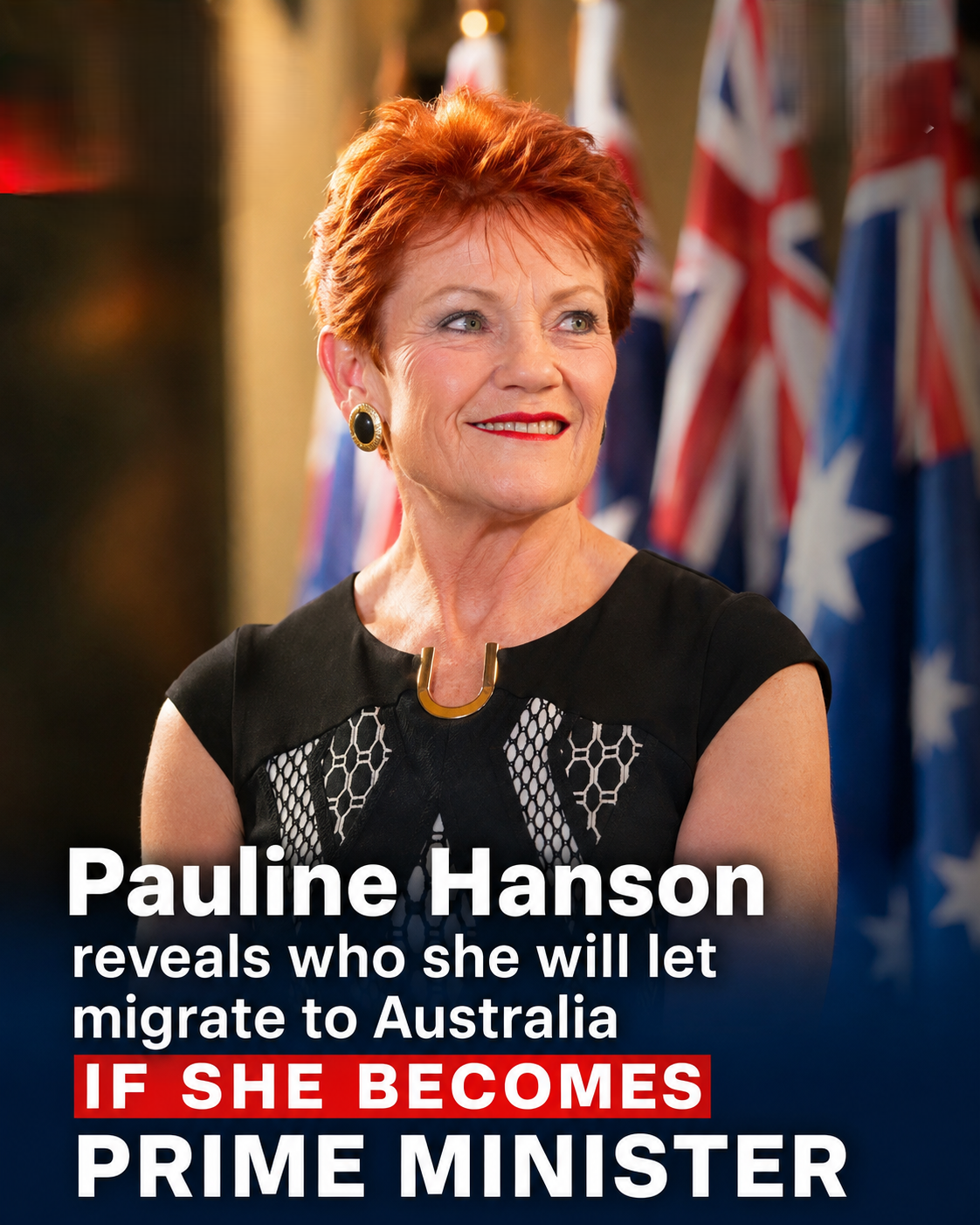
One Nation leader Pauline Hanson has unveiled one of her clearest migration policy positions yet, declaring that Australia should dramatically reduce permanent migration and focus almost exclusively on attracting workers with skills the country genuinely needs.
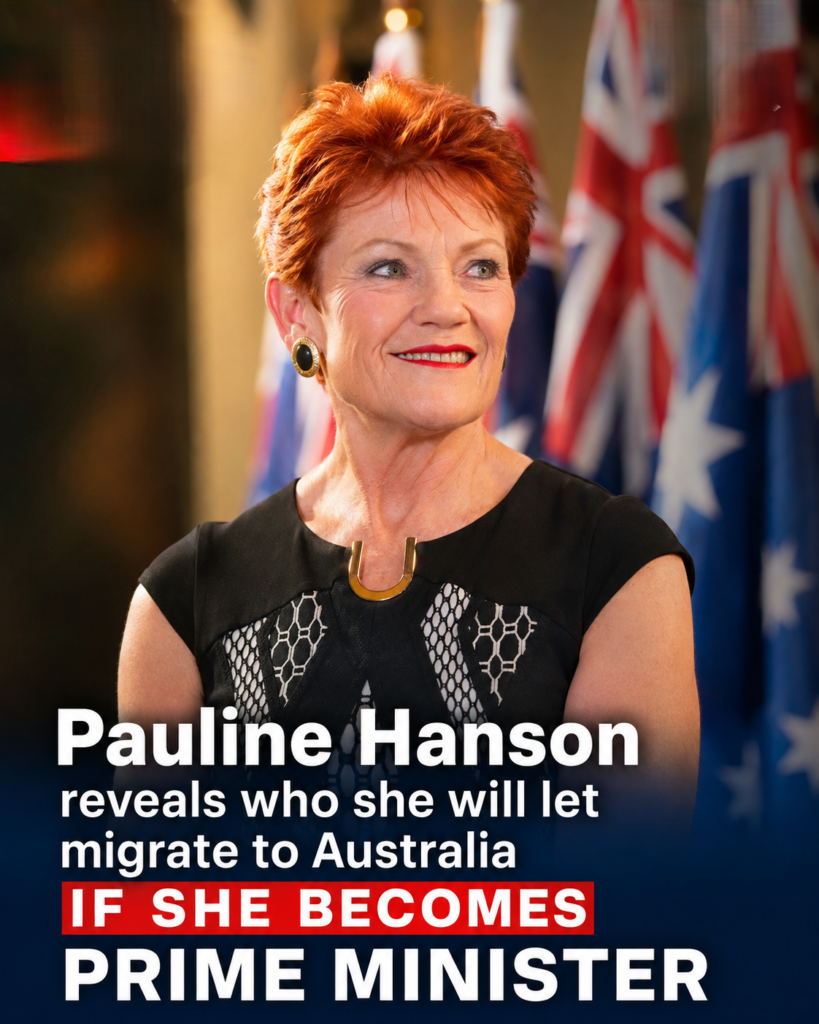
Speaking during an interview with News24 host Laura Jayes, Senator Hanson said Australia does not need additional migrants working in occupations such as Uber driving, nail technology or dog walking, arguing the migration system should instead prioritise professionals capable of addressing critical workforce shortages.
“We don’t need any more Uber drivers, nail technicians, dog walkers,” Hanson said, describing parts of Australia’s current migration system as “an absolute scam”.
Under One Nation’s proposal, Australia’s permanent migration intake would be capped at 130,000 people each year, subject to annual review. That represents a substantial reduction from the Federal Government’s current permanent Migration Program of 185,000 places for the 2026–27 financial year.
Australia’s migration system distinguishes between the permanent Migration Program and broader net overseas migration, which includes temporary visa holders such as international students and temporary skilled workers.
According to the latest government settings, around 132,240 places—approximately 71 per cent of the permanent program—are allocated to skilled migration, including employer-sponsored, state-nominated and independent skilled visa applicants. Another 52,460 places are reserved for family migration, while a small number are allocated under special eligibility categories. Meanwhile, net overseas migration has recently been reported at just over 300,000 people annually.
Hanson argued Australia should become far more selective about who is granted visas.
“Why bring in so many people that don’t fit the needs that we want in Australia?” she said during the interview.
When asked whether the skilled occupation list should be substantially revised, Hanson replied that reform was “very, very important”. She said priority should be given to occupations that directly contribute to Australia’s long-term economic and social needs.
“Who is going to run the country? Doctors, nurses, engineers—those people that are going to benefit our country,” she said.
The comments form part of One Nation’s broader campaign calling for significantly lower migration levels.
Hanson has repeatedly argued that high migration has intensified Australia’s housing shortage, increased pressure on roads, hospitals and other public infrastructure, and contributed to rising living costs.
She also criticised arrangements that allow family members of some temporary migrants and international students to accompany them to Australia, saying the cumulative impact places additional strain on public services and housing supply. Hanson further claimed Australia has hundreds of thousands of people on bridging visas and tens of thousands of unlawful non-citizens, arguing enforcement should become a higher government priority.
The migration debate has intensified after Home Affairs Minister Tony Burke postponed a planned National Press Club address outlining Labor’s latest migration reforms.
While the government has indicated it intends to keep migration at more sustainable levels and prevent abuse of the visa system, Hanson argued the postponement reflected growing political pressure as migration becomes an increasingly important electoral issue.
She suggested One Nation’s growing support had influenced both Labor and the Coalition to adopt firmer rhetoric on migration, claiming both major parties were responding to public concern over population growth.
The Albanese Government has consistently maintained that migration remains essential to Australia’s economy, particularly in sectors experiencing persistent labour shortages.
Industries including healthcare, aged care, engineering, construction, advanced manufacturing and mining continue to rely heavily on skilled overseas workers to fill vacancies that cannot easily be met through the domestic workforce.
Business groups have warned against large reductions in migration, arguing that Australia’s ageing population and ongoing skills shortages mean employers still require access to qualified international workers.
The Australian Chamber of Commerce and Industry and the Australian Industry Group have both cautioned that overly aggressive migration cuts could restrict economic growth, worsen labour shortages and reduce Australia’s competitiveness in attracting global talent.
Hanson dismissed those concerns during her interview, saying her primary focus was improving housing affordability and living standards for Australians.
She argued that economic interests should not outweigh the pressure many Australians face when trying to find affordable housing or access public services.
The debate comes as migration continues to be closely linked with Australia’s housing crisis.
Economists generally agree that rapid population growth increases demand for housing in the short term. However, many also argue that Australia’s affordability challenges stem from multiple factors, including limited housing supply, planning restrictions, infrastructure constraints, construction costs and years of underbuilding.
Successive governments have therefore sought to balance migration levels with policies designed to expand housing construction while maintaining access to skilled workers needed across critical industries.
One Nation’s proposal would represent one of the most significant reductions in Australia’s permanent migration program in recent decades if implemented.
Whether such a policy could be enacted would depend on the outcome of future federal elections and parliamentary support for any legislative changes. Migration policy remains one of the defining issues in Australian politics, with parties continuing to disagree over the appropriate balance between economic growth, workforce needs, infrastructure capacity and housing affordability.
As political attention increasingly turns toward migration ahead of future elections, Hanson’s latest remarks are likely to ensure the debate over who Australia should welcome—and in what numbers—remains firmly in the national spotlight.