A fresh political dispute has erupted ahead of Victoria’s state election after One Nation leader Pauline Hanson barred journalists from the ABC, The Age and The Guardian from attending a media event announcing the party’s Victorian election candidates.
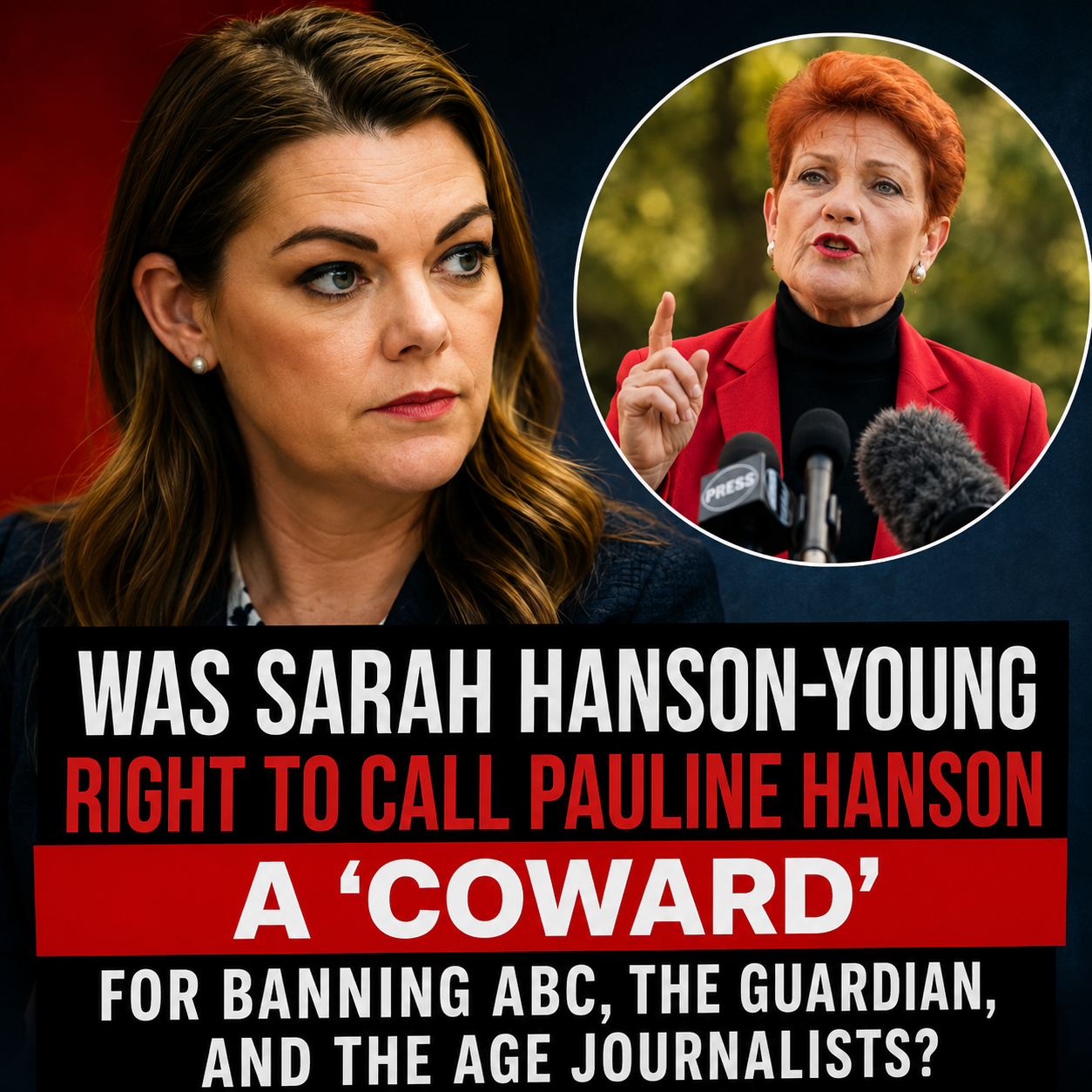
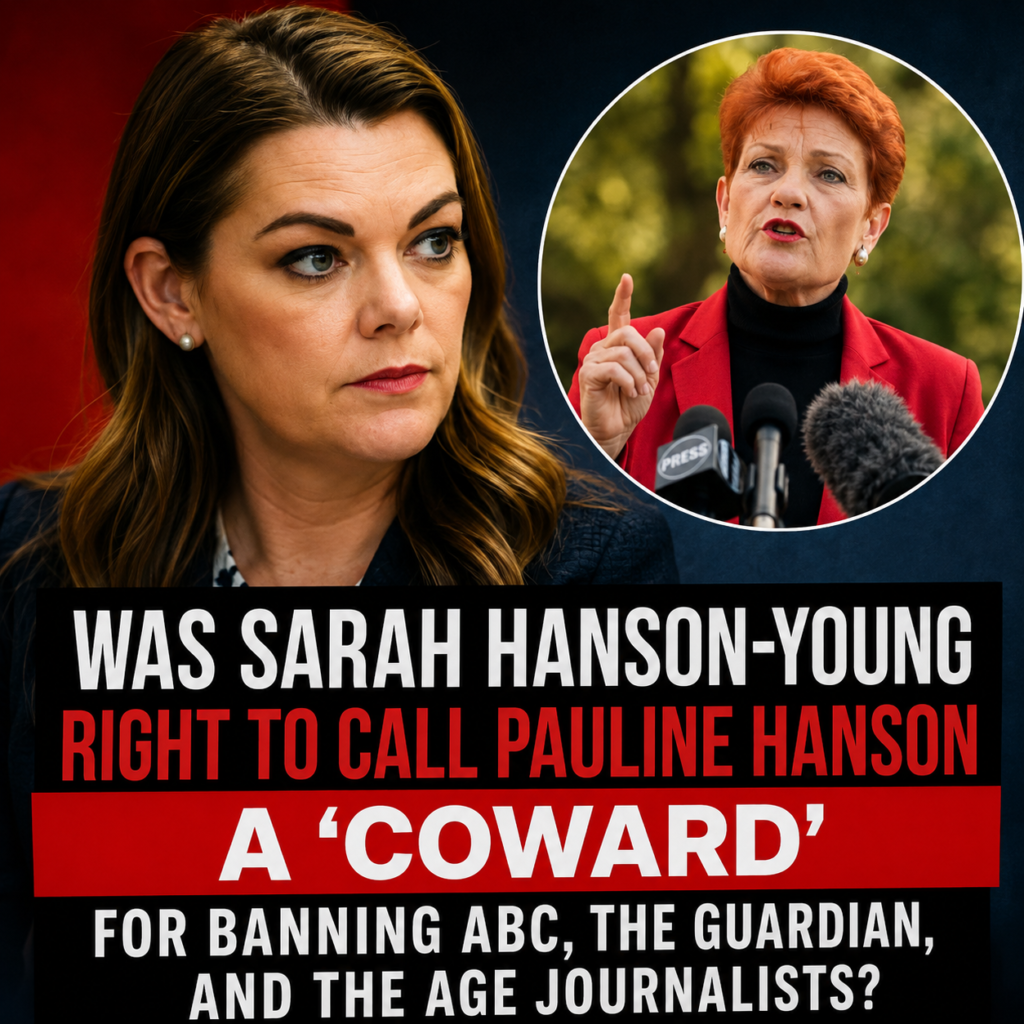
The decision drew immediate criticism from Greens Senator Sarah Hanson-Young, who accused Hanson of avoiding media scrutiny and undermining democratic accountability.
Speaking at Parliament House, Hanson-Young said the One Nation leader was “running scared of scrutiny” and argued that politicians should not be able to choose which journalists are allowed to ask questions.
“Pauline Hanson is showing herself to be a political coward by hiding from certain media outlets because she doesn’t like questions from journalists. This is a very bad way to start any political campaign,” the Greens senator told reporters.
The criticism followed One Nation’s decision not to provide reporters from the ABC, The Age and The Guardian with the time or location of a Melbourne press conference used to unveil the party’s first group of candidates for the upcoming Victorian election.
The media event formed part of One Nation’s campaign launch as the party seeks to expand its presence across Victoria, with Pauline Hanson recently stating the party intends to contest almost every lower-house seat while also fielding candidates across the Legislative Council.
Defending the decision, Hanson said the temporary exclusion was a response to what she described as persistent unfair treatment by the three media organisations.
“I’m not putting up with the spin, the gotcha moments, or the constant attempts to have a go at me,” Hanson said.
“They treat us totally differently from the other major political parties. Enough is enough.”
Hanson argued that One Nation has repeatedly faced hostile questioning and reporting that, in her view, differs from the treatment afforded to Labor, the Coalition and the Greens.
She said the decision was intended to send a message to media organisations she believes have consistently reported on the party in an unfair or politically biased manner.
According to reports, other media organisations, including commercial outlets and independent media, were invited to attend the Melbourne announcement, while Rebel News was also present.
The dispute quickly evolved into a broader debate about the relationship between politicians and the media.
Critics argue that press conferences organised by political parties should remain open to all accredited journalists so that elected representatives can be questioned by reporters with differing editorial perspectives.
Employment and Workplace Relations Minister Amanda Rishworth also criticised the move, saying politicians should expect to answer difficult questions and should not decide which journalists are entitled to scrutinise them.
She argued that public accountability depends upon allowing a wide range of media organisations to attend campaign events and question political leaders directly.
Supporters of Hanson, however, contend that political parties are under no legal obligation to invite every media outlet to privately organised campaign events.
They argue that media organisations also exercise editorial discretion over which political voices receive coverage and that political leaders are similarly entitled to decide how they engage with the press.
One Nation has maintained for years that sections of Australia’s mainstream media disproportionately focus on controversy surrounding the party while giving comparatively less attention to its policy platform.
The disagreement comes at a significant time for One Nation.
Recent opinion polling has suggested the party is experiencing renewed electoral momentum, particularly among working-class voters and in regional areas, prompting increased attention ahead of Victoria’s November election.
At the Melbourne event, Hanson introduced several candidates expected to contest seats across the state, including Warren Pickering, who will now stand in the lower-house electorate of Pakenham rather than the Legislative Council.
Other announced candidates include former Liberal Party member Colleen Harkin, Geelong councillor Chris Burson, filmmaker Mark Nicholson, Fiona Lopez, Aaron Sandford, Natalie Adams and incumbent upper-house MP Rikkie-Lee Tyrrell.
During the launch, Hanson criticised the Allan Government over issues including crime, infrastructure spending, education and cost-of-living pressures, while promising that One Nation would release a detailed Victorian policy platform in the lead-up to polling day.
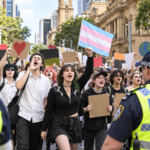
The campaign launch itself was accompanied by protests outside the venue, where demonstrators opposed One Nation’s policies and several police officers were deployed to maintain public order.
Despite the demonstrations, the event proceeded as planned, with Hanson telling supporters that the party intended to campaign vigorously throughout Victoria.
The controversy over media access has reignited a long-running discussion within Australian politics about the balance between political messaging and journalistic scrutiny.
Political parties routinely organise campaign events designed to communicate policy priorities directly to voters. At the same time, journalists argue that unrestricted access enables them to test political claims, seek clarification and hold public figures accountable on behalf of the community.
Media organisations have generally maintained that robust questioning is a core element of democratic reporting, particularly during election campaigns when voters are assessing competing policies and leadership.
Political leaders, meanwhile, frequently complain that adversarial interviewing can prioritise conflict over substantive policy discussion, particularly when campaign events become dominated by repeated questions unrelated to the day’s announcement.
The dispute involving Hanson reflects those broader tensions, with each side presenting sharply different views of what constitutes fair media treatment.
For the Greens, excluding selected journalists represents an attempt to avoid accountability.
For One Nation, the move is presented as a response to what the party believes has been sustained editorial hostility from specific news organisations.
As Victoria’s election campaign gathers momentum, the disagreement is likely to remain part of a broader political contest in which media coverage, public messaging and voter perceptions will all play an important role.
Whether the temporary media ban remains in place throughout the campaign has not been confirmed, but the episode has already become one of the first significant controversies surrounding One Nation’s Victorian election launch and has intensified debate over the relationship between political parties and Australia’s news media.