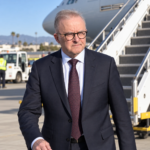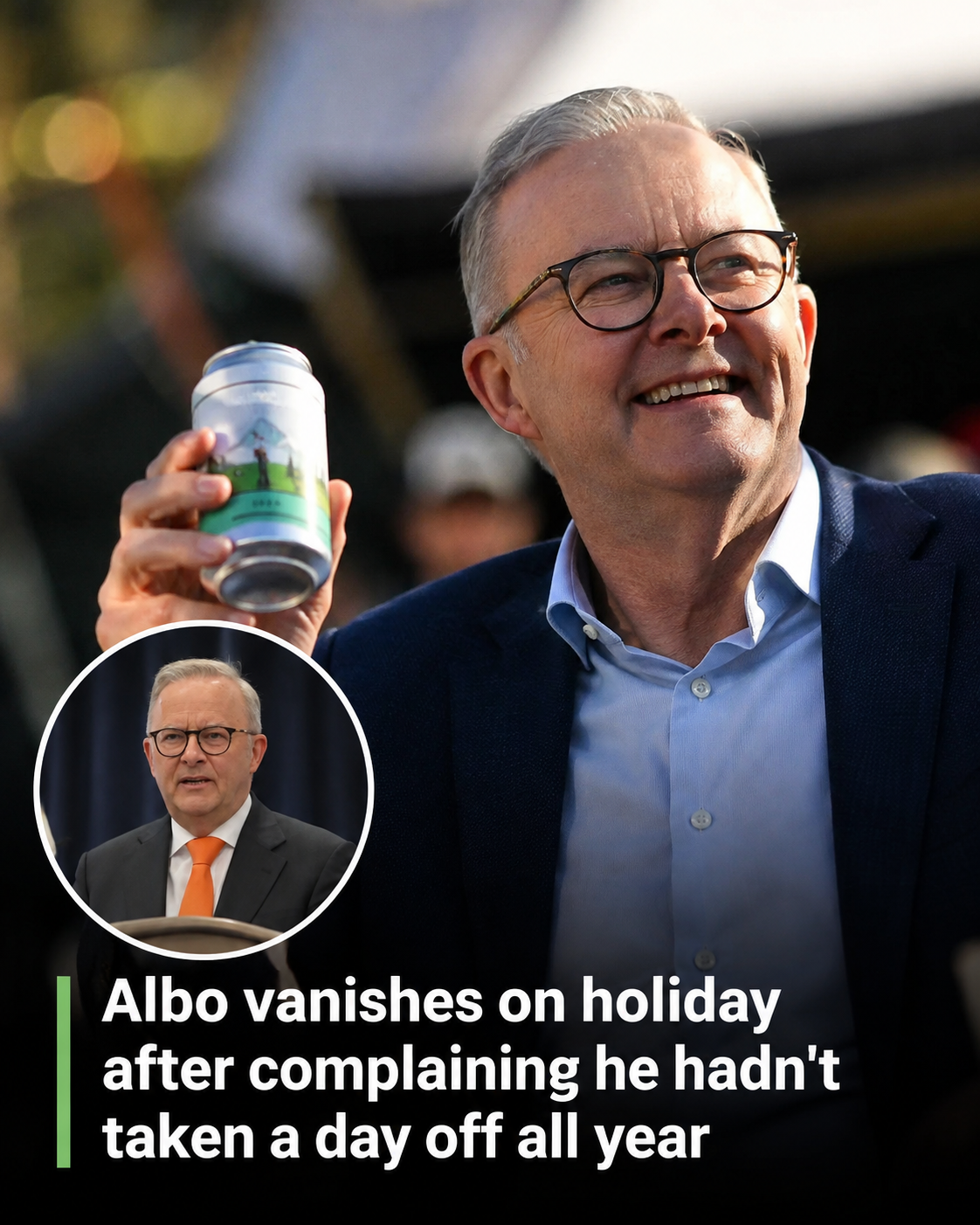
Prime Minister Anthony Albanese has quietly taken a short period of leave after previously revealing he had not taken a single day off during 2026, ending months of continuous official duties as debate continues over the demanding nature of Australia’s highest political office.
The Prime Minister’s brief absence from public engagements comes only weeks after he publicly acknowledged the physical demands of the job while defending his decision not to attend this year’s Garma Festival in the Northern Territory.
Speaking in July, Albanese said he had “not had a day off all year” and indicated he intended to take leave around that period after an intense schedule that included domestic travel, international engagements and a federal election campaign earlier in the year.
Government figures have confirmed the Prime Minister has now taken a short break, with colleagues suggesting the leave was well deserved following many months of uninterrupted work.
“He’s having a break. He probably deserves one,” one senior government figure said when asked about the Prime Minister’s absence, reflecting Labor’s position that even national leaders require occasional time away from official duties.
The leave appears to have been deliberately low profile.
Unlike overseas holidays or extended private travel that often attract significant political attention, Albanese’s break has been kept largely out of the public spotlight, with ministers continuing to undertake government responsibilities during his absence.
The Prime Minister’s office has not indicated that any major government business has been delayed as a result of the leave.
Australia’s system of government routinely allows ministers, including the Prime Minister, to take leave while cabinet colleagues continue to administer portfolios and respond to day-to-day issues.
The timing nevertheless attracted attention because of Albanese’s earlier remarks explaining why he would miss the annual Garma Festival.
During an interview last month, the Prime Minister rejected suggestions he had broken a commitment to attend the Indigenous gathering every year, explaining that he had been working continuously throughout 2026 and needed a short period of leave.
“I haven’t had a day off all year,” Albanese said at the time, adding that although he would be on leave, other senior ministers—including Foreign Minister Penny Wong and Indigenous Australians Minister Malarndirri McCarthy—would represent the government at the festival.
The comments prompted discussion about the intense workload carried by Australian prime ministers.
The role involves responsibility for cabinet leadership, parliamentary business, international diplomacy, national security, economic management and regular travel across Australia.
Prime ministers also face continuous public scrutiny, often maintaining demanding schedules that include media interviews, community visits, policy announcements and international meetings.
Political historians note that Australia’s prime ministers have traditionally found it difficult to take extended holidays while in office.
When they do take leave, it frequently becomes the subject of public debate, particularly if significant national events occur during their absence.
Perhaps the most well-known modern example remains former Prime Minister Scott Morrison’s 2019 family holiday to Hawaii during the Black Summer bushfire crisis, an episode that fundamentally reshaped public expectations surrounding ministerial leave during national emergencies.
Since then, both governments and oppositions have recognised that political leaders are often judged not only on whether they take holidays, but also on their timing, transparency and responsiveness should unexpected events arise.
Supporters of Albanese argue the current circumstances are markedly different.
Australia is not experiencing a comparable national emergency, and the Prime Minister had openly foreshadowed his intention to take leave well before doing so.
Labor figures also note that Albanese has maintained a demanding public schedule since the beginning of the year, including the federal election campaign, parliamentary sittings and numerous domestic and overseas commitments.
Critics, however, argue that public expectations surrounding political leadership remain especially high while Australians continue dealing with housing affordability pressures, elevated living costs and broader economic uncertainty.
Some commentators believe prime ministers should provide greater public visibility regarding periods of leave, even when those breaks are relatively brief.
Others argue that modern political culture often creates unrealistic expectations by treating any personal downtime as politically controversial.
Employment experts have long observed that sustained periods without adequate rest can reduce decision-making quality, increase fatigue and contribute to burnout, particularly in occupations involving constant public scrutiny and high-pressure responsibilities.
Those considerations apply not only to political leaders but also to senior executives, emergency personnel and other roles requiring prolonged periods of intense workload.
For Albanese, the break follows a particularly demanding political period.
Since securing another term in office, his government has continued pursuing major policy agendas covering housing affordability, taxation, energy transition, healthcare and cost-of-living relief while responding to evolving international developments.
The Prime Minister has also undertaken numerous interstate visits and represented Australia at multiple international meetings during the first half of the year.
Government ministers have emphasised that cabinet processes continue normally whenever the Prime Minister takes leave.
Australia’s Westminster system provides continuity through collective cabinet responsibility, allowing other ministers to perform necessary executive functions while the Prime Minister is temporarily unavailable.
Political analysts say this institutional continuity means short periods of leave rarely affect the day-to-day operation of government, provided appropriate arrangements remain in place.
The episode nevertheless illustrates how closely Australians continue to monitor the personal schedules of senior political leaders.
Public interest in ministerial travel, leave and expenses has intensified over recent years following several controversies involving politicians from different parties, making transparency around official and personal travel an increasingly important aspect of political accountability.
As Parliament prepares to resume its regular schedule, Albanese is expected to return quickly to a full program of government business.
Attention will soon shift back to major policy debates including housing, inflation, energy, taxation and preparations for future legislative priorities.
For now, however, the Prime Minister’s short break has become a reminder of the extraordinary workload carried by Australia’s national leaders and the continuing public debate over how political figures balance personal wellbeing with the demands of public office.